
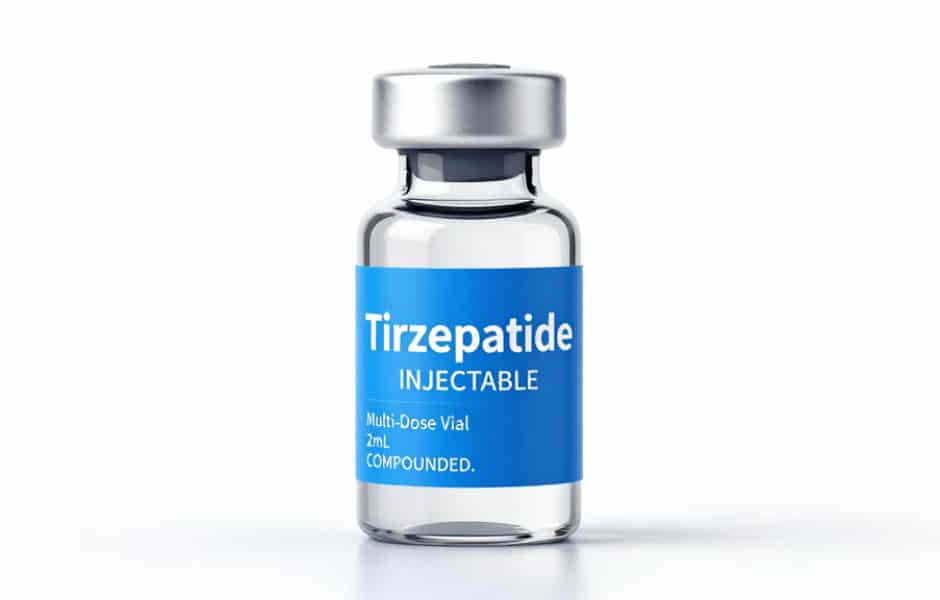
Affordable Mounjaro Injections in Orange County, CA
Best Mounjaro Injections in Orange County At Soboba Medical Weight Loss Clinics
If you are searching for Mounjaro injections in Orange County, CA, the reason is usually simple. You do not want another generic weight loss promise. You want a physician-supervised option that may help reduce appetite, improve portion control, and support better metabolic outcomes while fitting into real life.
SOBOBA Medical Weight Loss Clinics positions its Mounjaro program around that exact need, with a new-patient GLP-1 offer of the first shot for $39, then $98 per shot, along with free doctor visits, no startup fees, and no contracts. Soboba Weight Loss Clinics offers Mounjaro injections in Orange County, CA, in the following locations: Newport Beach, Laguna Hills, and Rancho Santa Margarita.
What makes Mounjaro such a major topic in Orange County right now is not hype alone. Mounjaro is tirzepatide, a prescription medication that acts as both a GIP receptor agonist and a GLP-1 receptor agonist. The current FDA prescribing information states that Mounjaro is indicated, with diet and exercise, to improve glycemic control in adults and pediatric patients aged 10 and older with type 2 diabetes.
Separately, tirzepatide is also the active ingredient in Zepbound, which is FDA-approved for chronic weight management in adults with obesity, or in certain adults with overweight plus a weight-related comorbidity, and for obstructive sleep apnea in adults with obesity. That distinction matters because many patients ask about “Mounjaro for weight loss.” Still, the medical conversation should be precise about the active ingredient, the brand, and the indication being evaluated by the clinician.
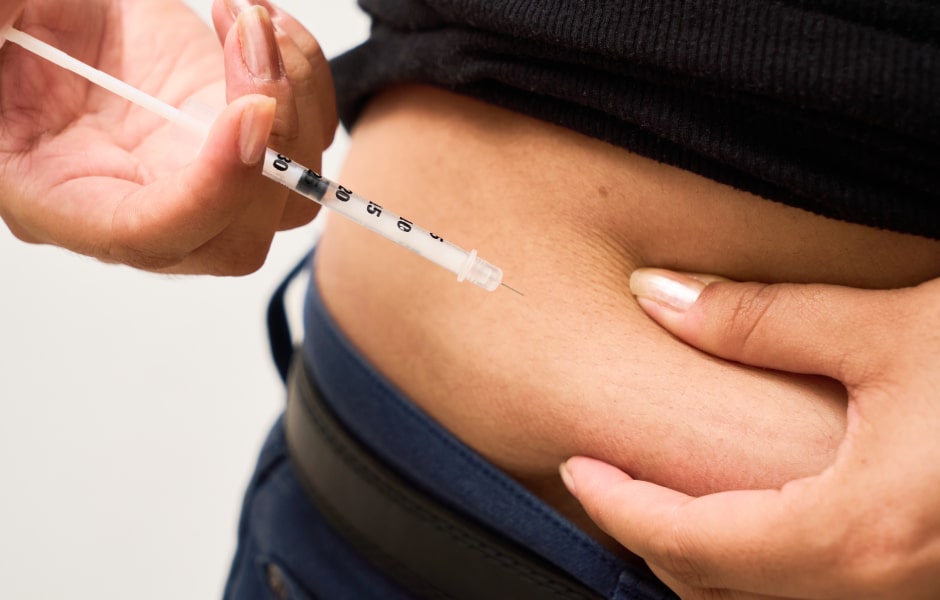
For a weight loss clinic page, the real question is not whether tirzepatide is interesting. The real question is whether the data are strong enough to justify patient interest. They are. In the 2025 Zepbound FDA label, Study 1 in adults with obesity or overweight without type 2 diabetes showed an average body weight reduction of 20.9 percent at 72 weeks at the 15 mg dose, compared with 3.1 percent for placebo.
The same label shows that 56.7 percent of patients on 15 mg achieved at least 20 percent body weight loss by Week 72, compared with 3.1 percent on placebo. Those are unusually strong results for an injectable weight-management medication and help explain why tirzepatide has become central to weight-loss discussions across Orange County clinics.
The long-term data also helped intensify attention around tirzepatide. In 2024, results from the extended SURMOUNT-1 program showed that pooled tirzepatide doses reduced the risk of progression to type 2 diabetes by 94 percent in adults with prediabetes and obesity or overweight over 176 weeks, and nearly 99 percent of treated participants remained diabetes-free at that time point.
While treatment decisions should never be based on headlines alone, those long-duration findings are one reason patients now ask about tirzepatide not only for weight loss, but also for broader metabolic risk reduction.
There is also a reason many people compare tirzepatide with semaglutide. In a 2025 New England Journal of Medicine head-to-head study in adults with obesity but without diabetes, tirzepatide produced a mean 20.2 percent reduction in body weight at 72 weeks, compared with 13.7 percent for semaglutide.

That does not mean one medication is automatically right for every patient. Still, it does show why Orange County patients who have researched GLP-1 options often ask specifically about tirzepatide-based therapy when they want a more aggressive medical weight-loss discussion.
For patients with type 2 diabetes, the Mounjaro data are also meaningful. In the 2025 FDA label, the SURPASS-1 monotherapy trial showed statistically significant A1c reductions versus placebo over 40 weeks, with body-weight reductions ranging from 6.3 kg to 7.8 kg depending on dose. In SURPASS-2, where tirzepatide was compared with semaglutide 1 mg in adults on metformin, the 15 mg dose showed a 2.3 percentage point reduction in A1c and an 11.2 kg reduction in body weight at 40 weeks. This combination of glycemic and weight effects is why tirzepatide sits at the intersection of diabetes care and weight-management care instead of being viewed as a simple cosmetic option.
That brings up an important practical question for your page: what is Mounjaro used for in a medical weight-loss setting? The cleanest answer is that patients usually ask about it because tirzepatide has clinically significant effects on appetite regulation, satiety, and metabolic control. Mounjaro itself is FDA-labeled for glycemic control in type 2 diabetes. Still, tirzepatide as a molecule has also shown strong weight-management outcomes and is FDA-approved for that purpose under the Zepbound brand. In other words, interest in “Mounjaro injections in Orange County” often serves as shorthand for physician-supervised tirzepatide care, which is exactly why a proper consultation matters before any prescription decision is made.

Mounjaro is also very different from a vitamin shot, lipotropic shot, or general “wellness” injection. The FDA label describes it as a once-weekly GIP and GLP-1 receptor agonist with a formal dose-escalation schedule, contraindications, a boxed warning about thyroid C-cell tumors seen in rats, and multiple warnings and precautions that clinicians must evaluate.
A vitamin injection may support supplementation. Mounjaro is a prescription metabolic medication that can affect blood sugar, gastric emptying, medication absorption, and adverse-event risk. That is why credible clinics do not present it as a casual add-on.
They present it as a medical therapy that requires screening, counseling, and follow-up.
Patients also want to know how often Mounjaro is taken. The FDA label states that Mounjaro is administered once weekly, at any time of day, with or without meals, and is injected subcutaneously in the abdomen, thigh, or the back of the upper arm when given by another person. The label also explains that the starting dose is 2.5 mg once weekly, then increased after 4 weeks to 5 mg, with further increases of 2.5 mg when appropriate. That matters because many patients assume the first dose is the real treatment dose. It is not. The FDA labeling specifically says the 2.5 mg dose is for treatment initiation and is not intended for glycemic control. The gradual climb is designed to improve tolerability, particularly gastrointestinal tolerability.
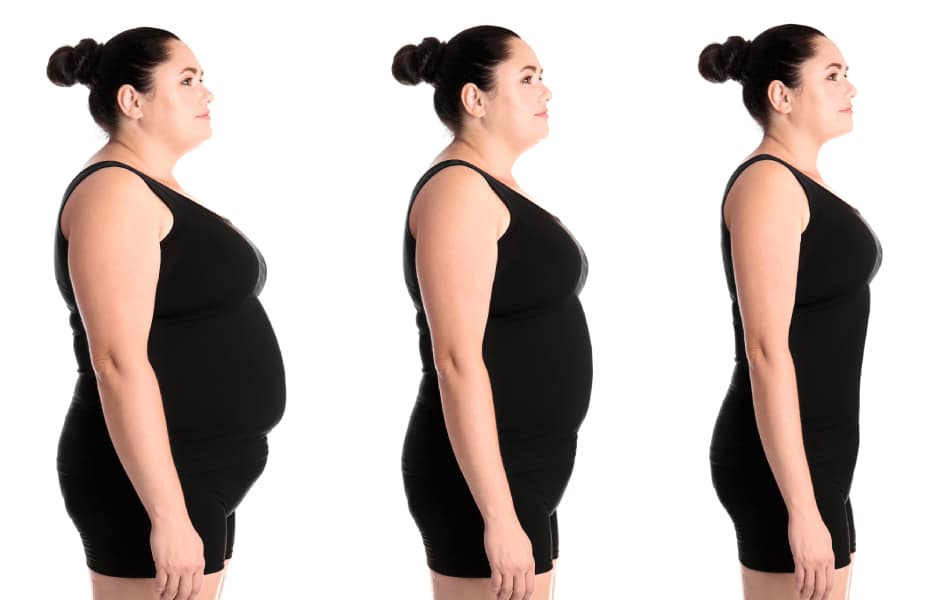
This is one of the most important counseling points for a clinic page. A patient may feel disappointed if the first injection does not produce immediate, dramatic results. But the medical goal at the start is usually safe initiation, not maximum effect on day one. The dose-escalation structure is built into the FDA labeling because nausea, vomiting, diarrhea, constipation, dyspepsia, and abdominal pain are among the most common adverse reactions. Patients should understand that the initial phase of treatment often involves adaptation and monitoring, not racing to the highest dose.
Who should not use Mounjaro is another question your Orange County page should answer clearly. According to the FDA label, Mounjaro is contraindicated in patients with a personal or family history of medullary thyroid carcinoma or with Multiple Endocrine Neoplasia syndrome type 2.
It is also contraindicated in patients with known serious hypersensitivity to tirzepatide or any of the excipients. In addition, the label states that Mounjaro is not recommended in patients with severe gastroparesis. These are not small-print issues. They are front-end screening issues that should be reviewed before treatment starts.
Patients should also discuss important risks before starting. The label warns about acute pancreatitis, severe gastrointestinal adverse reactions, hypoglycemia risk when used with insulin or insulin secretagogues, diabetic retinopathy progression in patients with a history of diabetic retinopathy, acute gallbladder disease, volume depletion that can contribute to acute kidney injury, and the possibility that delayed gastric emptying can affect the absorption of oral medications.
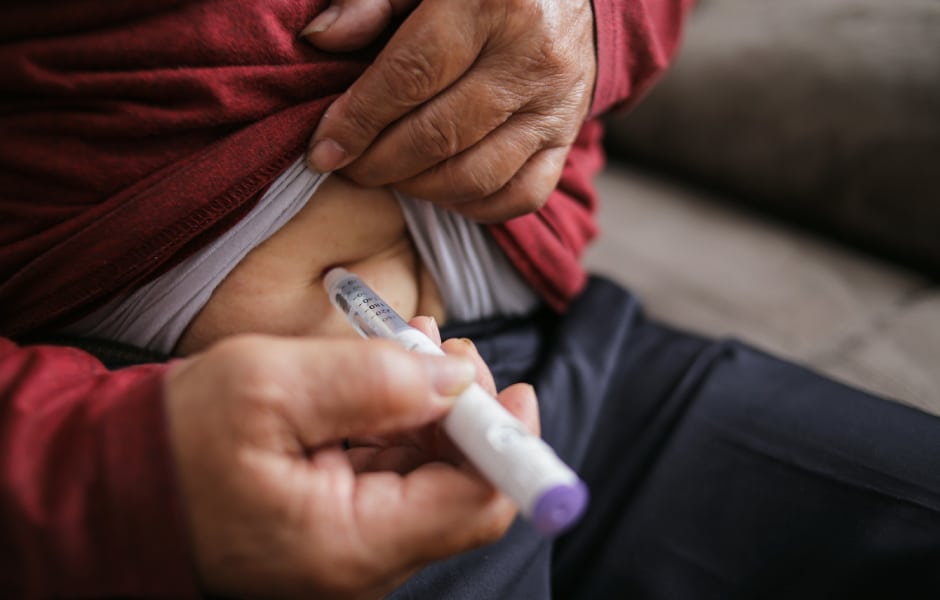
It also states that oral hormonal contraceptives may be less effective after initiation. After each dose escalation, non-oral contraception or a barrier method should be discussed during those periods. These are exactly the issues that separate legitimate physician-supervised care from casual online medication shopping.
Pregnancy and future family planning should also be part of the consultation. The Mounjaro label states that available data in pregnant women are insufficient to evaluate for a drug-related risk, and animal data raise concerns about fetal harm. That means patients who are pregnant, trying to become pregnant, or who may become pregnant should discuss timing, contraception, and medication alternatives with their clinician before beginning treatment. A proper consultation is not just about whether you qualify. It is also about whether the timing of treatment is medically appropriate.
So what happens during a Mounjaro consultation at a serious Orange County medical weight-loss clinic?
In practical terms, it should include a review of weight history, present symptoms, comorbidities, diabetes status or prediabetes risk, current medications, prior weight-loss attempts, gastrointestinal history, pregnancy considerations, thyroid cancer and MEN2 history, gallbladder history, retinal history if diabetic, and any insulin or sulfonylurea use. The consultation should also cover how once-weekly dosing works, why escalation is gradual, what side effects should trigger a call, and how follow-up will be handled. Exact clinic workflow can vary, but the FDA labeling makes clear which topics are medically relevant to discuss up front.

This is where SOBOBA Medical Weight Loss Clinics can position the offer effectively for Orange County patients.
Price matters, but context matters more. A first-shot special may get attention. What keeps the program credible is pairing affordability with medical supervision, free doctor visits, and a structured care plan, rather than a one-time-injection mentality.
SOBSOBOBA’s site specifically markets its GLP-1 special: the first shot is $39, then $98 per shot, plus free doctor visits, no startup fees, and no contracts. For many patients, that combination of local access and ongoing supervision is more appealing than a fragmented telehealth-only experience.
Can Mounjaro be part of an ongoing care plan? Yes, but the right way to frame that is medically supervised continuity. The strongest tirzepatide studies did not treat the medication like a single-event intervention. They evaluated sustained treatment over many months, with diet and physical activity remaining part of the program. The FDA labels for both Mounjaro and Zepbound also position use alongside nutrition and lifestyle measures, not as a replacement for them. That means a high-quality Orange County program should address maintenance, follow-up, dose tolerability, and prevention of weight regain, not just short-term appetite suppression.
For patients who reach a target weight, the ongoing plan becomes especially important. Weight management is a chronic issue for many patients, not a quick-fix episode. That is why clinic messaging should not overpromise a permanent result from the medication alone. A better message is that tirzepatide-based care may help patients lose meaningful weight and improve metabolic markers. Still, durable outcomes depend on medical oversight, appropriate dosing, nutrition, activity, and adherence to the post-goal plan recommended by the treating provider. That is the kind of messaging that is both persuasive and medically responsible.
For Orange County residents looking at Newport Beach, Laguna Hills, or Rancho Santa Margarita, the appeal of SOBOBA’s Mounjaro program is straightforward. The clinic is speaking to patients who want a local, physician-guided conversation about tirzepatide rather than a generic wellness pitch.
Tirzepatide has strong clinical data supporting weight loss and metabolic effects.
Mounjaro is a real prescription medication that requires careful screening and follow-up, and SOBOBA offers an accessible entry point for new patients who want to explore whether they are appropriate candidates.
Disclaimer: Results may vary from person to person. This website does not provide medical advice.These statements have not been evaluated by the Food and Drug Administration. SOBOBA Medical Weight loss program is not intended to diagnose, treat, cure or prevent any disease.