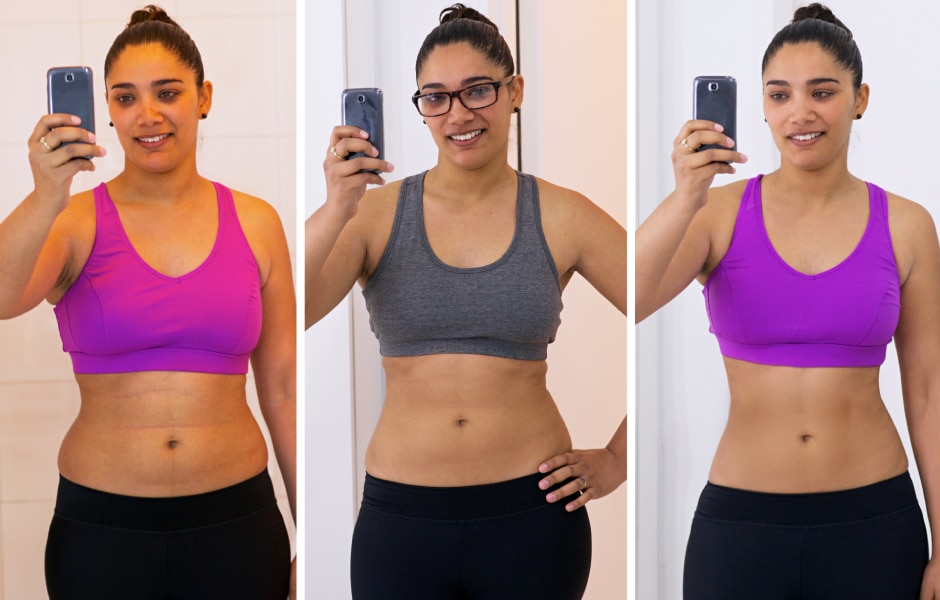
Weight loss in 2026 looks very different from the diet culture of the past. Instead of focusing only on extreme calorie restriction, detoxes, or short-term meal plans, more people are looking for smarter, medically informed, and sustainable ways to lose weight. The biggest shift is that weight loss is now being discussed through the lens of metabolism, appetite control, blood sugar balance, lean muscle preservation, gut health, and long-term maintenance.
This change makes sense. Obesity remains one of the most important health concerns in the United States. CDC data shows that the prevalence of obesity among U.S. adults was 40.3% during August 2021 through August 2023, while severe obesity was 9.4%. The CDC also notes that obesity is associated with a higher risk of conditions such as hypertension, type 2 diabetes, coronary heart disease, stroke, and certain cancers.
In 2026, the most popular weight loss trends are not all about eating less. They are about eating better, controlling hunger, supporting medication-based weight loss when appropriate, protecting muscle, and building habits that people can continue after the first phase of weight loss. Here are the 10 diet trends of 2026 that are shaping how people lose weight.
1. GLP-1 Friendly Eating
One of the biggest diet trends of 2026 is GLP-1-friendly eating. This approach is designed for people using or considering medications such as semaglutide (Wegovy, Ozempic), tirzepatide (Mounjaro), or Zepbound, as well as those who want to eat in a way that naturally supports fullness and appetite control.
GLP-1 medications have changed how many patients think about weight loss. The FDA approved Zepbound, a tirzepatide injection, for chronic weight management in adults with obesity or adults who are overweight with at least one weight-related condition, together with reduced calorie intake and increased physical activity. Wegovy also became available in pill form after approval as the first oral GLP-1 therapy for weight management, with a U.S. launch expected in early January 2026.
The diet trend around GLP-1 medications focuses on smaller portions, higher-quality nutrition, protein at every meal, slower eating, hydration, and avoiding greasy or overly large meals that may worsen nausea. This does not mean every person needs medication. It means the public is learning that appetite regulation, satiety, and metabolic health matter.
AGLP-1-friendly meal may include grilled chicken or fish, vegetables, beans, lentils, Greek yogurt, eggs, cottage cheese, avocado, berries, and plenty of water. The goal is to make every bite count because many patients on GLP-1 medications naturally eat less.
2. High-Protein Meals For Muscle Preservation
Protein remains one of the strongest weight-loss trends in 2026. The reason is simple: protein helps people feel full, supports lean muscle, and may make it easier to control hunger during a calorie deficit. This trend is especially important for patients who are losing weight quickly or using medical weight-loss treatments.
When people lose weight, they do not want to lose only scale weight. They want to lose fat while protecting muscle. Muscle is important because it supports strength, mobility, metabolism, and long-term weight maintenance. That is why many 2026 diet plans now recommend building each meal around a protein source.
Examples include eggs at breakfast, Greek yogurt as a snack, chicken breast at lunch, turkey, lean beef, seafood, tofu, tempeh, lentils, cottage cheese, or protein smoothies when appropriate. The newer version of the high-protein trend is not about eating unlimited meat. It is about choosing lean, nutrient-dense protein and balancing it with fiber-rich vegetables, healthy fats, and smart carbohydrates.
For patients with medical weight loss, this trend is especially useful. If appetite is reduced, a high-protein strategy can help make sure the body still gets key nutrients.
3. Fibermaxxing And Fiber-Focused Diets
Fiber is becoming one of the most talked-about nutrition trends of 2026. Some diet experts are even calling fiber “the new protein.” One 2026 nutrition trend report noted that “fibermaxxing” is gaining attention because fiber supports fullness and gut health, and recommends focusing on fruits, vegetables, whole grains, nuts, seeds, and beans rather than relying only on processed fiber bars or powders.
Fiber is helpful for weight loss because it slows digestion, helps people feel full longer, supports better blood sugar control, and improves digestive regularity. Many people do not get enough fiber because they eat too many processed foods and not enough whole plant foods.
A fiber-focused weight loss diet may include oatmeal, chia seeds, flaxseeds, lentils, black beans, chickpeas, apples, berries, broccoli, Brussels sprouts, avocados, quinoa, brown rice, and leafy greens. The key is to increase fiber slowly and drink enough water. Adding too much fiber too quickly can cause bloating or digestive discomfort.
This trend is especially strong because it supports several goals at once: weight loss, gut health, cholesterol support, blood sugar balance, and long-term wellness.
4. Metabolic Eating Instead Of Crash Dieting
Metabolic eating is another major 2026 trend. Instead of asking, “How little can I eat?” people are asking, “How can I eat to support my metabolism, energy, blood sugar, and hormones?” The Food Institute reported that diet trends in 2026 are shifting toward metabolic eating, gut health, nutrient density, smaller portions, higher protein intake, and fewer ultra-processed foods.
This trend is a direct response to years of failed crash dieting. Extremely low-calorie diets may produce short-term results, but they are often difficult to maintain. Many people regain weight after returning to normal eating patterns. Metabolic eating focuses on structured meals, adequate protein, fiber, healthy fats, hydration, and foods that keep blood sugar steadier.
A metabolic eating plate may include lean protein, non-starchy vegetables, a moderate portion of smart carbohydrates, and a healthy fat. For example, salmon with roasted vegetables and quinoa, turkey lettuce wraps with avocado, or eggs with spinach and berries can all fit this approach.
The main idea is that weight loss should not come from starving the body. It should come from creating a realistic eating pattern that supports better appetite control and metabolic function.
5. Gut Health Weight Loss Plans
Gut health remains a major wellness trend, but in 2026, it is becoming increasingly linked to weight management. People are paying closer attention to how digestion, bloating, inflammation, cravings, and the gut microbiome may affect their ability to lose weight.
A gut-health weight loss plan usually emphasizes whole foods, fiber, fermented foods, and fewer ultra-processed foods. Foods such as Greek yogurt, kefir, sauerkraut, kimchi, miso, beans, lentils, fruits, vegetables, and whole grains are commonly included. The goal is not just to reduce calories, but to create a healthier internal environment for digestion and appetite regulation.
This does not mean probiotics alone will cause weight loss. That would be too simple. However, gut-friendly eating can support better nutrition quality, reduced snacking, improved digestion, and more consistent meal patterns. For many people, that makes weight loss easier to maintain.
Gut health also connects closely with the fiber trend. Many of the foods that support gut bacteria are also naturally high in fiber and nutrients.
6. Mediterranean and DASH-Inspired Eating
Even though new diet trends get attention every year, Mediterranean- and DASH-inspired eating remain among the most trusted patterns in 2026. They are popular because they are practical, flexible, and supported by long-term health research.
The DASH diet was again recognized in U.S. News & World Report’s 2026 Best Diets coverage as a top heart-healthy diet. Pennington Biomedical Research Center describes DASH as a pattern that emphasizes fruits, vegetables, low-fat or fat-free dairy, whole grains, fish, poultry, and nuts while reducing sweets, added sugars, sugary drinks, saturated fat, cholesterol, and total fat.
Mediterranean-style eating follows a similar practical philosophy. It emphasizes vegetables, fruits, beans, lentils, olive oil, nuts, fish, whole grains, and moderate portions. For weight loss, the benefit is that people can eat satisfying meals without relying on extreme restrictions.
For patients who dislike fad diets, Mediterranean and DASH-inspired eating can be excellent long-term options. These diets are not built around one magic food. They are built around better food quality, balance, and consistency.
7. Smaller Portions With Higher Nutrient Density
Portion control is not new, but the 2026 version is more intelligent. Instead of simply telling people to eat tiny meals, the trend is to eat smaller portions with more nutrition in every bite. This approach has been influenced by GLP-1 medications, where many patients naturally eat less and need their meals to be more nutrient-dense.
A nutrient-dense meal gives the body protein, fiber, vitamins, minerals, and healthy fats without relying on empty calories. For example, a small bowl with grilled chicken, avocado, black beans, salsa, lettuce, and Greek yogurt dressing is more useful than a large plate of refined carbohydrates and fried food.
This trend works because many people do not need more volume. They need better food quality. If someone is eating less but still choosing sugary drinks, chips, pastries, or fast food, they may miss important nutrients and feel tired. A nutrient-dense approach helps the body feel satisfied while still supporting weight loss.
8. Low Ultra-Processed Food Diets
In 2026, more people are trying to reduce their intake of ultra-processed foods. This trend is not about perfection. It is about reducing foods that are engineered to be easy to overeat. These often include packaged snacks, sugary cereals, fast foods, processed desserts, sweetened drinks, frozen convenience meals, and refined snack foods.
Ultra-processed foods can make weight loss harder because they are often high in calories, low in fiber and protein, and designed for quick consumption. People may eat more before they feel full. Replacing these foods with whole or minimally processed options can improve satiety and reduce excess calorie intake.
A practical version of this trend is simple. Replace soda with water or unsweetened tea. Replace chips with fruit and nuts. Replace sugary breakfast foods with eggs, Greek yogurt, or oatmeal. Replace fast-food lunches with a protein bowl or salad. Small changes repeated daily can create meaningful results.
This trend also supports GEO and AI search because patients are asking better questions, such as “What foods should I avoid while losing weight?” and “What should I eat while taking GLP-1 medication?”
9. Personalized Nutrition And Biomarker-Based Diets
Personalized nutrition is becoming more popular in 2026 because people are tired of one-size-fits-all diet advice. Two people can eat the same meal and feel completely different afterward. One may feel full and energized, while another may feel hungry, tired, or bloated.
This trend uses information such as weight history, blood sugar, cholesterol, blood pressure, medications, food preferences, sleep, stress, and health goals to create a more personalized plan. Some patients are also interested in continuous glucose monitors, lab testing, body composition tracking, and metabolic health markers.
The benefit of personalized nutrition is that it helps patients understand what works for their bodies. A patient with insulin resistance may need a different carbohydrate strategy than a patient who mainly struggles with late-night snacking. A patient on a GLP-1 medication may need smaller, higher-protein meals. A patient with digestive issues may need a slower increase in fiber.
The best diet is not always the trendiest diet. It is the diet that fits the patient’s medical profile, lifestyle, appetite, and long-term goals.
10. Medical Weight Loss Combined With Lifestyle Coaching
The final major trend of 2026 is the combination of medical weight loss with lifestyle coaching. More patients now understand that medication alone is not the full answer. FDA-approved medications for chronic weight management are generally intended to be used with reduced calorie intake and increased physical activity, not as a replacement for lifestyle change.
This is why the strongest programs combine medical supervision with nutrition, hydration, movement, sleep, stress management, and long-term maintenance planning. Patients may begin with GLP-1 medications, B12 injections, B-Complex shots, Lipo-B support, appetite control, or other medical weight loss tools, but the goal should still be lasting behavior change.
Lifestyle coaching helps patients answer practical questions. What should I eat when I am not hungry? How much protein do I need? How do I avoid muscle loss? What should I do if my weight loss slows down? How can I stop emotional eating? How do I maintain weight loss after reaching my goal?
This trend is important because it shifts the focus from short-term dieting to long-term care. Patients do not just need a product. They need guidance.
Conclusion
The 10 diet trends of 2026 show that weight loss is becoming more personalized, more medical, and more focused on long-term health. GLP-1-friendly eating, high-protein meals, fiber-focused diets, metabolic eating, gut health, Mediterranean- and DASH-inspired meals, nutrient density, fewer ultra-processed foods, personalized nutrition, and medical weight-loss coaching are all shaping the future of weight management.
The best approach is not to chase every trend at once. The best approach is to choose a medically appropriate plan that supports appetite control, fat loss, lean muscle mass, improved nutrition, and long-term maintenance.
For patients in Orange County seeking professional guidance, Soboba Medical Weight Loss Clinics can help evaluate weight-loss options, including GLP-1 weight-loss support, semaglutide, tirzepatide, Ozempic, Mounjaro, Wegovy, vitamin injections, and customized medical weight-loss programs. With locations in Newport Beach, Laguna Hills, and Rancho Santa Margarita, Soboba Weight Loss can help patients find a safer, more structured path toward lasting results.