

Affordable GLP-1 Injections in Orange County, CA
Physician-Supervised GLP-1 Weight Loss Support At Soboba Weight Loss
Losing weight can be difficult when appetite, cravings, metabolism, blood sugar changes, stress, and years of dieting are working against you. Many people in Orange County try diet after diet, only to regain the weight or feel frustrated when hunger makes consistency difficult. That is one reason more patients are asking about GLP-1 injections for weight loss.

Soboba Weight Loss provides medically supervised weight-loss support for patients in Orange County interested in GLP-1 options, including Semaglutide, Tirzepatide, Ozempic, Mounjaro, and related weight-loss treatments. With convenient locations in Newport Beach, Laguna Hills, and Rancho Santa Margarita, Soboba Weight Loss helps patients explore weight-loss options in a structured, supervised setting. Soboba’s website currently highlights GLP-1 options, including Mounjaro, tirzepatide, Semaglutide, and Ozempic, along with Orange County clinic locations and contact information.
GLP-1 injections are not a magic solution, and they are not right for every person. However, for qualified patients, they may help support appetite control, earlier fullness, reduced food intake, and greater consistency with a medical weight-loss plan. The best results usually come when injections are combined with healthier eating, hydration, physical activity, provider monitoring, and long-term habit changes.
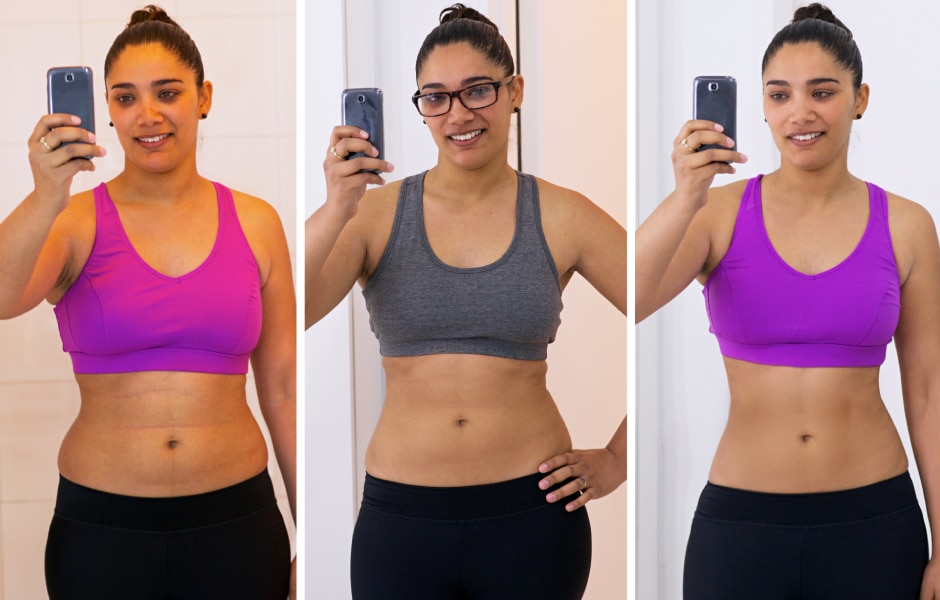
Quick Answer
GLP-1 injections are prescription medications that mimic or activate hormone pathways involved in appetite, fullness, digestion, and blood sugar regulation. For weight loss, they may help patients feel full sooner, reduce hunger, and eat smaller portions as part of a medically supervised program.
Popular GLP-1 and related injection names include Wegovy, Ozempic, Saxenda, Mounjaro, and Zepbound. Some are approved for chronic weight management, while others are approved for type 2 diabetes and may be discussed differently depending on the patient’s medical history and provider evaluation. The FDA explains that GLP-1 receptor agonists mimic the effects of a natural hormone released by the intestine, help lower blood sugar after eating, and act on brain regions involved in appetite and food intake.
What Are GLP-1 Injections?
GLP-1 stands for glucagon-like peptide-1. It is a natural hormone involved in blood sugar control, appetite regulation, and satiety. GLP-1 medications are designed to activate GLP-1 receptors in the body. In practical terms, many patients report feeling less hungry, becoming full faster, and having fewer cravings while taking these medications under medical supervision.
Some GLP-1 medications are used to manage diabetes, while others are approved specifically for chronic weight management. For example, Wegovy prescribing information states that it is used with a reduced-calorie diet and increased physical activity to help certain adults and adolescents reduce excess body weight and maintain long-term weight reduction.
Zepbound, which contains tirzepatide, is approved for chronic weight management in adults with obesity or adults who are overweight with at least one weight-related condition, in addition to reduced calorie intake and increased physical activity. Tirzepatide is technically a dual GIP and GLP-1 receptor agonist, but many patients group it with GLP-1 weight-loss injections because it affects the GLP-1 pathway.
How GLP-1 Injections May Help With Weight Loss
GLP-1 injections may support weight loss by helping patients control appetite more effectively. Many patients struggle not because they don’t understand healthy eating, but because they feel hungry too often, don’t feel full long enough, or have cravings that make consistency difficult.
A medically supervised GLP-1 program may help by supporting:
- Appetite control
- Earlier fullness during meals
- Reduced cravings for some patients
- Smaller portion sizes
- Better meal consistency
- Support for reduced calorie intake
- Improved structure during a weight loss program
Use these medications with medical guidance. They are not designed to replace nutrition, movement, hydration, or follow-up care. FDA-approved chronic weight-management medications such as Wegovy and Zepbound are intended to be used alongside reduced-calorie eating and increased physical activity.
GLP-1 Injections Offered Or Discussed At Soboba Weight Loss
Soboba Weight Loss helps patients explore medical weight-loss options, including GLP-1 and related medications. Treatment availability, eligibility, and recommendations depend on medical evaluation, health history, current medications, weight loss goals, and provider guidance.
Common GLP-1 and related weight loss injection terms patients search for include:
Semaglutide
Semaglutide is the active ingredient in medications such as Wegovy and Ozempic. Wegovy is approved for chronic weight management in eligible patients, while Ozempic is approved for type 2 diabetes. Patients often search for both names when seeking weight-loss injections.
Ozempic
Ozempic is a semaglutide injection approved for adults with type 2 diabetes. It often comes up in weight-loss conversations, but patients should understand the difference between FDA-approved uses and provider-directed medical decisions.
Wegovy
Wegovy is a semaglutide medication approved for chronic weight management in certain patients. It is intended to be used alongside reduced-calorie intake and increased physical activity.
Tirzepatide
Tirzepatide is the active ingredient in Mounjaro and Zepbound. It works on both the GIP and GLP-1 receptor pathways, which is why many patients group it with GLP-1 weight-loss injections.
Mounjaro
Mounjaro is a tirzepatide injection approved for type 2 diabetes. Soboba Weight Loss offers Mounjaro injections in Orange County, and for new patients, GLP-1 offers free doctor visits, no startup fees, and no contracts.
Zepbound
Zepbound is a tirzepatide injection approved for chronic weight management in eligible adults and should be used with a reduced-calorie diet and increased physical activity.
Who May Be a Candidate for GLP-1 Weight-Loss Injections?
A patient may be a candidate for GLP-1 injections if they are struggling with weight loss, appetite control, overeating, cravings, obesity, or weight-related health concerns. However, only a qualified medical provider can determine whether GLP-1 treatment is appropriate.
A medical consultation may review:
- Current weight and weight loss goals
- Body mass index
- Past weight loss attempts
- Eating habits and appetite patterns
- Current medications
- Diabetes or blood sugar history
- Blood pressure and cholesterol concerns
- Digestive health history
- Gallbladder or pancreatitis history
- Thyroid cancer or MEN 2 history
- Pregnancy plans
- Overall medical risk factors
This is why Soboba Weight Loss emphasizes medically supervised care. A safe weight loss plan should be personalized. Not every patient needs GLP-1 injections, and not every patient is a candidate.
Benefits Of Choosing A Local Orange County GLP-1 Clinic
Many patients compare local clinics with online-only weight loss programs. Online programs may seem convenient, but local medical supervision can be valuable for patients who want real follow-up, in-person support, and a team that understands their progress.
Choosing a local Orange County clinic, such as Soboba Weight Loss, may help patients with:
- Convenient office visits
- Provider-supervised care
- Clearer follow-up
- Better accountability
- Local access in Newport Beach, Laguna Hills, and Rancho Santa Margarita
- Support for nutrition and lifestyle changes
- Ability to ask questions directly
- More confidence during the weight loss process
Soboba Weight Loss lists clinic locations in Newport Beach, Laguna Hills, and Rancho Santa Margarita, with phone numbers available for each location on its specials and contact pages.
What To Eat While Taking GLP-1 Injections
Diet matters when using GLP-1 injections. Since appetite may decrease, patients need to make every meal count. Eating less does not automatically mean eating well. Patients should focus on nutrient-dense foods that support muscle function, digestion, energy levels, and long-term weight maintenance.
A GLP-1-friendly diet may include:
- Lean protein such as chicken, turkey, fish, eggs, Greek yogurt, tofu, and cottage cheese
- High-fiber vegetables such as broccoli, spinach, cauliflower, zucchini, peppers, and leafy greens
- Fruits such as berries, apples, pears, and citrus
- Beans, lentils, and chickpeas
- Whole grains such as oats, quinoa, and brown rice
- Healthy fats such as avocado, olive oil, nuts, and seeds
- Plenty of water throughout the day
Patients should usually limit fried foods, greasy meals, oversized portions, sugary drinks, highly processed snacks, and heavy alcohol use. These choices may worsen nausea, bloating, reflux, constipation, or poor nutrition for some patients.
Possible Side Effects And Safety Considerations
GLP-1 injections may cause side effects. Common side effects can include nausea, vomiting, diarrhea, constipation, stomach discomfort, bloating, and decreased appetite. Some patients experience symptoms as their bodies adjust, while others may need a dosage adjustment or a different treatment plan.

Patients should contact a medical provider if they experience severe vomiting, dehydration, persistent abdominal pain, severe constipation, symptoms of gallbladder problems, or any concerning reaction.
Patients should also avoid unsafe online products. The FDA has warned consumers not to purchase unapproved GLP-1 drugs, including products containing Semaglutide, tirzepatide, or retatrutide that are falsely labeled for research purposes or not for human consumption. The FDA warns that these products are of unknown quality and may be harmful.
This is one of the most important reasons to work with a medical weight-loss clinic rather than buy questionable products online.
Why Medical Supervision Is Important
GLP-1 injections affect appetite, digestion, and metabolic signals. That makes medical supervision important before and during treatment. A medically supervised program can help determine whether treatment is appropriate, monitor progress, answer questions, review side effects, and adjust the plan when needed.
A strong weight-loss program should not focus solely on injections. It should also include:
- A realistic weight loss goal
- Nutrition guidance
- Protein and hydration planning
- Side effect education
- Follow-up appointments
- Movement recommendations
- Long-term weight maintenance planning
This approach helps patients think beyond short-term weight loss. The goal should be safer progress, better habits, and a plan that patients can maintain.
GLP-1 Injections Near Newport Beach, Laguna Hills, And Rancho Santa Margarita
Soboba Weight Loss serves patients throughout Orange County from three clinic locations:
Newport Beach, CA
Call 949-646-0251
Laguna Hills, CA
Call 949-362-4560
Rancho Santa Margarita, CA
Call 949-459-3952
Patients from Irvine, Costa Mesa, Mission Viejo, Lake Forest, Laguna Niguel, Aliso Viejo, Tustin, Santa Ana, San Clemente, Dana Point, Huntington Beach, and nearby Orange County communities can contact the Soboba Weight Loss location closest to them to schedule a consultation.
Why Patients Choose Soboba Weight Loss For GLP-1 Injections
Patients searching for GLP-1 injections in Orange County want more than a medication name. They want a clinic that can help them understand their options, start safely, and stay consistent. Soboba Weight Loss offers a local, medically guided environment for patients seeking weight-loss support without feeling left alone in the process.
Patients may choose Soboba Weight Loss because the clinic offers:
- Three Locations in Orange County, California
- Medical weight loss consultations
- GLP-1 and related weight loss options
- Semaglutide and tirzepatide discussions
- Ozempic and Mounjaro information
- Free doctor visits are listed in the current promotional content
- No startup fees are listed in the current promotional content
- No contracts are listed in the current promotional content
- Local support instead of online-only care
Soboba’s Ozempic and Mounjaro currently offer new patients: the first shot for $39, then $98 per shot, plus free doctor visits, no startup fees, and no contracts. Since promotions can expire or change, always confirm the live offer before publishing or advertising.

Schedule A GLP-1 Weight Loss Consultation In Orange County
If you are searching for GLP-1 injections in Orange County, CA, Soboba Weight Loss can help you take the next step. Whether you are interested in Semaglutide, tirzepatide, Ozempic, Mounjaro, Wegovy, Zepbound, or another medical weight loss option, the right starting point is a professional consultation.
Soboba Medical Weight Loss provides medical weight-loss support to patients in Newport Beach, Laguna Hills, Rancho Santa Margarita, and surrounding Orange County communities. Contact the nearest Soboba Weight Loss clinic today to schedule a consultation and learn whether GLP-1 injections may be right for your weight-loss goals.
Call Soboba Weight Loss Today
Disclaimer: Results may vary from person to person. This website does not provide medical advice.These statements have not been evaluated by the Food and Drug Administration. SOBOBA Medical Weight loss program is not intended to diagnose, treat, cure or prevent any disease.