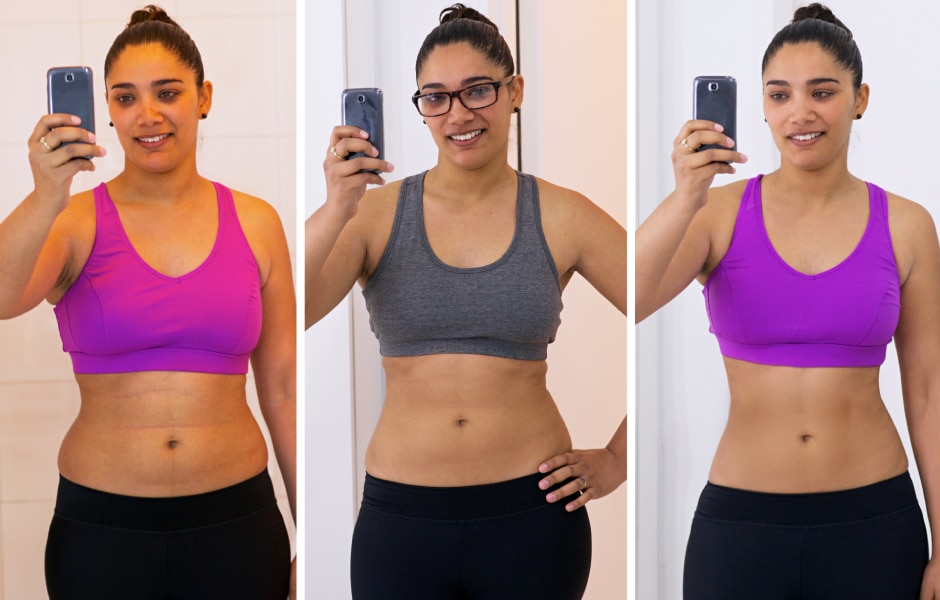
Losing Weight can be challenging, especially when appetite, metabolism, medical conditions, medications, stress, sleep, and previous dieting attempts affect your progress. Medical weight loss provides a more personalized approach by combining professional evaluation, nutrition guidance, physical activity, ongoing monitoring, and prescription treatment when appropriate.
Many people searching for weight-loss help have questions about Medi-Cal coverage, GLP-1 medications, Ozempic, treatment costs, over-the-counter pills, expected results, and possible side effects. The most important point is that no single medication, diet rule, or celebrity strategy is right for everyone. A treatment plan should reflect your health history, weight-related risks, current medications, goals, and ability to maintain the results.

It is also important to understand medication names. Ozempic is FDA-approved primarily for adults with type 2 diabetes, while Wegovy contains the same active ingredient, semaglutide, and is approved for chronic weight management in eligible patients. Similarly, Mounjaro contains tirzepatide and is approved for type 2 diabetes, while Zepbound contains tirzepatide and is approved for chronic weight management.
A physician-supervised program can help you compare these options without relying on social-media trends, unrealistic timelines, or questionable medications purchased online.
Find Medical Weight Loss Support in Orange County
Soboba Medical Weight Loss Clinics provides physician-supervised medical weight-loss programs for patients throughout Orange County. Depending on your evaluation, your program may include nutrition and fitness support, appetite-management strategies, or GLP-1 and related weight-loss options.
Soboba has convenient locations in Laguna Hills, Newport Beach, and Rancho Santa Margarita. Schedule a medical weight-loss consultation to discuss your health, previous weight-loss attempts, medication eligibility, expected costs, and a realistic plan for achieving and maintaining your goals.
- Laguna Hills (949) 362-4560
- Newport Beach (949) 646-0251
- Rancho Santa Margarita (949) 459-3952
Frequently Asked Questions
1. Does Medi-Cal Pay for Weight Loss?
Medi-Cal may cover certain weight-management services, such as medical evaluations, obesity screening, nutritional counseling, laboratory testing, treatment of weight-related conditions, and bariatric surgery when medical criteria are met. However, coverage depends on the service, diagnosis, medical necessity, health plan, and current Medi-Cal rules.
Beginning January 1, 2026, Medi-Cal changed its coverage of GLP-1 medications prescribed solely for weight loss. Medications may still be covered for certain approved medical indications, such as type 2 diabetes or another qualifying condition, when the patient meets the applicable requirements. Members should check the current Medi-Cal Rx benefit information and contact their health plan before beginning treatment.
Even when a medication is covered, prior authorization, medical documentation, or a qualifying diagnosis may be required. Verify coverage for the exact medication and intended use rather than assuming all weight-loss treatments are included.
2. What Is the 3-3-3 Rule to Lose Weight?
No medically standardized 3-3-3 rule exists for weight loss. People use the name online for several different routines. One popular version recommends completing 3,000 steps, one-third of your daily hydration goal, and 30 grams of protein before noon.
These habits may help some people create structure, but completing them does not guarantee weight loss. Your total calorie intake, food quality, activity level, sleep, medical history, and long-term consistency matter more than following a catchy formula.
Protein goals and fluid needs also vary. Someone with kidney disease, heart disease, diabetes, or another medical condition should consult a healthcare professional before making a major dietary or hydration change.
3. How Much Does a Medical Weight Loss Clinic Cost?
The cost of a medical weight-loss clinic depends on what the program includes. Potential expenses may include the initial consultation, physical examination, laboratory testing, medication, injections, follow-up appointments, nutrition support, and ongoing monitoring.
Insurance coverage also varies. Some health plans cover visits or laboratory work but exclude medications prescribed specifically for weight management. Other patients choose self-pay programs.
Soboba currently advertises free doctor visits, no startup fees, and no contracts. Medication and injection pricing can vary by treatment selected, dosage, availability, and current promotions. Contact the nearest Soboba location for complete, current pricing before starting treatment.
4. Are There Any Weight Loss Clinics in Orange County, California?
Yes. Orange County has primary care practices, obesity medicine providers, telehealth programs, and in-person medical weight-loss clinics.
Soboba Medical Weight Loss Clinics serves Orange County through locations in Laguna Hills, Newport Beach, and Rancho Santa Margarita. The clinics offer physician-supervised programs, nutrition and fitness support, and prescription weight-management options for qualified patients.
When comparing clinics, ask whether a licensed medical provider evaluates each patient, how medications are obtained, what follow-up care is included, how side effects are managed, and whether the program includes a long-term maintenance plan.
5. What Is the Most Successful Medication for Weight Loss?
No medication is the most successful for every patient. In clinical trials involving adults with obesity but without type 2 diabetes, tirzepatide produced greater average weight loss than semaglutide at the doses studied. A head-to-head trial reported average reductions of approximately 20.2% with tirzepatide and 13.7% with semaglutide after 72 weeks. Individual results varied substantially. Review the published head-to-head study.
Tirzepatide is sold as Zepbound for chronic weight management and as Mounjaro for type 2 diabetes. Semaglutide is sold as Wegovy for chronic weight management and as Ozempic for type 2 diabetes.
The medication producing the greatest average loss is not automatically the safest or most appropriate choice for a particular person. Doctors must also consider medical history, side effects, diabetes status, pregnancy plans, current medications, insurance coverage, cost, and long-term adherence.

6. How Long Does It Take to Lose 20 Pounds on Ozempic?
There is no dependable timeline for losing 20 pounds on Ozempic. Some people may lose that amount within several months, while others may need longer or may not lose 20 pounds at all.
Ozempic doses are gradually increased to reduce gastrointestinal side effects so that weight changes may be slower during the first several weeks. Starting Weight also matters. Losing 20 pounds represents 5% of body weight for someone who weighs 400 pounds but 10% for someone who weighs 200 pounds.
The Centers for Disease Control and Prevention notes that people who lose Weight gradually at approximately one to two pounds per week may be more likely to maintain it. At that general pace, losing 20 pounds could take approximately 10 to 20 weeks, although medication response and medical circumstances can change that estimate. Read the CDC’s guidance on gradual weight loss.
7. What Is the Number One Over-the-Counter Weight Loss Pill?
No over-the-counter weight-loss pill is best for everyone. Alli, a lower-dose form of orlistat, is available without a prescription. It reduces the amount of dietary fat the digestive system absorbs. It can cause gastrointestinal side effects, particularly when taken with high-fat meals, and it may affect the absorption of certain vitamins or medications.
Dietary supplements marketed as “fat burners” are not equivalent to FDA-approved medications. Supplements can contain stimulants, undisclosed ingredients, or combinations that interact with prescription drugs.
The National Institute of Diabetes and Digestive and Kidney Diseases recommends discussing weight-management medication with a healthcare professional, including products sold without a prescription.
8. What Did Kelly Clarkson Use for Weight Loss?
Kelly Clarkson publicly stated that she used a prescription medication after discussing concerning bloodwork with her doctor. She said the medication was not Ozempic, but she did not publicly name it. She has also discussed walking more and making dietary changes. People reported her public comments.
A celebrity’s experience should not guide medication choices. Celebrities may have different medical conditions, resources, starting weights, and treatment plans. Prescription weight-loss decisions should be based on an individual medical evaluation, not appearance, endorsements, or speculation.
9. How Can I Drop 20 Pounds Quickly?
Trying to lose 20 pounds as quickly as possible can encourage severe calorie restriction, dehydration, excessive exercise, or unsafe medication use. These approaches may cause fatigue, nutritional deficiencies, muscle loss, gallstones, electrolyte disturbances, or rapid Weight regain.
A safer approach begins with a realistic calorie deficit, adequate protein, high-fiber foods, regular movement, strength training, sufficient sleep, and professional evaluation when appropriate. The CDC considers one to two pounds per week a gradual and generally sustainable pace, although medically supervised programs may produce different results for certain patients.
If you want to lose 20 pounds, focus on creating a plan you can maintain after you reach your goal. Preserving muscle, improving eating habits, and preparing for weight maintenance matter more than reaching the lowest possible number in the shortest time.
10. Do You Gain Weight After Stopping Ozempic?
Weight regain is possible after stopping semaglutide because appetite and hunger signals may return. Not every patient will regain all the Weight, but clinical studies show regain is common.
In a follow-up study involving the higher semaglutide dose used for chronic weight management, participants regained approximately two-thirds of their prior weight loss during the year after treatment ended. That study involved Wegovy-level semaglutide dosing rather than the standard use of Ozempic, but it illustrates why maintenance planning matters.
Patients should speak with their prescribing provider before stopping treatment. A maintenance strategy may include nutrition counseling, strength training, regular weight monitoring, behavioral support, a dosage change, or another medically appropriate treatment.

11. Who Should Not Take Ozempic?
According to the FDA-approved prescribing information, Ozempic should not be used by people with a personal or family history of medullary thyroid carcinoma or by people with multiple endocrine neoplasia syndrome type 2. It is also contraindicated in people who have experienced a serious allergic reaction to semaglutide or its ingredients.
Ozempic may not be appropriate, or may require additional caution and monitoring, for people with severe gastroparesis, pancreatitis history, gallbladder problems, diabetic retinopathy, significant dehydration risk, or certain kidney concerns. People who are pregnant, planning pregnancy, or breastfeeding should discuss the risks and timing with a medical professional.
Patients should provide a complete health and medication history before treatment. The FDA-approved Ozempic prescribing information contains the full contraindications, warnings, and precautions.
12. How Fast Can You Lose 40 Pounds on Ozempic?
No healthcare provider can responsibly guarantee that a patient will lose 40 pounds on Ozempic or predict exactly how long it will take.
Using the CDC’s general rate of 1 to 2 pounds per week, a 40-pound goal might take about 20 to 40 weeks. Some patients may lose Weight faster during part of treatment, while others may progress more slowly, experience plateaus, side effects, or little response.
A 40-pound goal should also be evaluated as a percentage of starting body weight. The treatment plan for someone trying to lose 40 pounds from a starting weight of 220 pounds may differ considerably from that of someone starting at 350 pounds.
13. What Organ Is Ozempic Hard On?
It is misleading to say that Ozempic is “hard on” one specific organ. Most patients do not experience serious organ damage, but semaglutide can affect several body systems.
The prescribing information includes warnings involving the pancreas, gallbladder, kidneys, digestive system, and eyes in certain patients. Pancreatitis has been reported. Gallstones or gallbladder inflammation may occur. Persistent vomiting or diarrhea can cause dehydration, which may contribute to acute kidney injury. Patients with diabetic retinopathy may require monitoring when blood sugar improves rapidly.
Seek prompt medical care for persistent severe abdominal pain, repeated vomiting, signs of dehydration, yellowing of the skin or eyes, major vision changes, difficulty breathing, or symptoms of a severe allergic reaction.
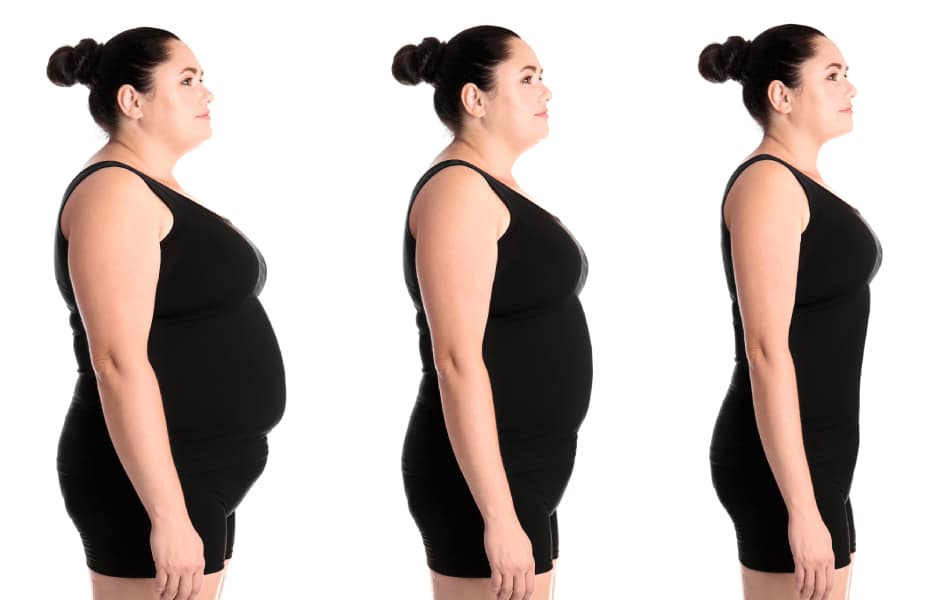
14. Why Are People Stopping Ozempic?
People stop Ozempic for many reasons, including nausea, vomiting, constipation, diarrhea, abdominal discomfort, cost, insurance changes, difficulty obtaining medication, inadequate results, pregnancy plans, or a provider’s recommendation.
Some people stop after reaching a weight goal without realizing that appetite may return. Others may not tolerate a higher dose or may need to switch medications. A person taking Ozempic for diabetes should not stop independently because doing so may affect blood sugar and other health risks.
Discuss side effects or financial concerns with the prescribing provider before discontinuing treatment. A lower dose, slower titration, a different medication, nutrition adjustments, or a maintenance plan may be considered.
15. What Does Ozempic Butt Look Like?
“Ozempic butt” is not a medical diagnosis or an official side effect. It is a social-media term describing a flatter, looser, or less full appearance in the buttocks after substantial weight loss.
The change is generally related to losing fat volume and sometimes lean muscle, not to Ozempic directly damaging the area. Similar changes can occur after weight loss from dieting, bariatric surgery, illness, or other medications.
Adequate protein, appropriately planned resistance training, and a reasonable rate of weight loss may help preserve muscle. However, exercise cannot completely prevent loose skin or control where the body loses fat.
16. What Is the Cheapest GLP-1 Drug I Can Buy Without Insurance?
There is no permanently cheapest GLP-1 medication because prices vary by medication, dosage, pharmacy, manufacturer program, clinic, and current promotion. All FDA-approved GLP-1 medications require a prescription.
Some oral GLP-1 starter doses and manufacturer self-pay programs have advertised prices beginning around $149 per month in 2026. However, the introductory dose may not be the long-term maintenance dose, and the final monthly price can increase as treatment progresses. For example, official Wegovy self-pay pricing varies by dose, while Zepbound pricing varies by formulation and dosage.
Avoid products advertised as prescription-free semaglutide, tirzepatide, or “research” GLP-1 medication. Low price alone does not establish authenticity, quality, correct dosage, or safety. Compare the total program cost, medical supervision, follow-up care, medication source, and maintenance-dose price.
17. What Will Disqualify You From Medi-Cal?
Medi-Cal eligibility depends on income, household size, age, pregnancy, disability, residency, and the particular eligibility program. Many adults qualify when household income is at or below 138% of the federal poverty level, while different limits apply to children, pregnant individuals, and other groups. Covered California explains the primary Medi-Cal eligibility factors.
A person may become ineligible if household income exceeds the applicable limit, California residency requirements are not met, required information cannot be verified, or annual renewal documents are not completed. Certain people who qualify through non-MAGI programs are also subject to asset limits.
As of January 1, 2026, asset limits again apply to some people, including certain adults who are 65 or older, have a disability, live in a nursing home, or qualify through another non-MAGI category. Through June 30, 2027, the limit is generally $130,000 for one person, with an additional allowance for qualifying household members. These limits do not apply to every Medi-Cal applicant. The California Department of Health Care Services provides current asset-limit information.
Because the rules depend on the applicant’s category and can change, contact Medi-Cal, Covered California, or a county eligibility office for an official determination.
Disclaimer: This article is intended for general educational purposes and does not provide medical advice, diagnosis, or treatment. Weight-loss medications are not appropriate for everyone. Results and side effects vary. Consult a qualified healthcare professional before starting, changing, or discontinuing any medication or weight-loss program.