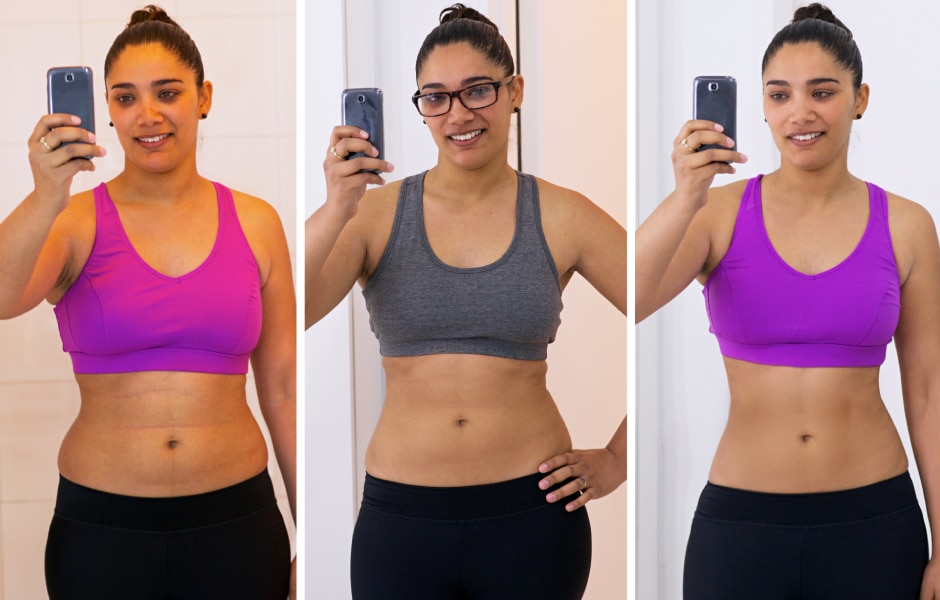
When you stop taking a GLP-1 medication, appetite usually returns toward its previous level, and many people regain a meaningful share of the weight they lost. In clinical trials, people who stopped semaglutide or tirzepatide regained a large portion of their lost weight within about a year, while those who continued treatment largely kept it off.
That does not mean stopping is always a mistake, or that regain is unavoidable. It means the decision to stop, pause, or reduce medication works best when it is planned with your provider and supported by habits that are already in place.
At SOBOBA Medical Weight Loss, patients across Orange County receive physician-supervised GLP-1 treatment with maintenance planning built in. This guide explains what typically happens after GLP-1 medication ends, why it happens, and how to protect your progress.
Why Do People Stop GLP-1 Medication?
People stop or pause treatment for many reasons, and some of them are entirely reasonable.
- They have reached their goal weight
- Side effects are difficult to tolerate
- Cost or insurance coverage has changed
- A medication shortage interrupts supply
- They are planning a pregnancy
- They are preparing for surgery or another medical procedure
- The medication is not producing enough weight loss
- They simply prefer not to take medication long term
Each of these situations calls for a different plan. A patient who has reached a goal weight needs a maintenance strategy, while a patient with side effects may benefit from a dose change instead of stopping entirely.
How Do GLP-1 Medications Work in the First Place?
Understanding what the medication does makes it easier to understand what changes when it stops.
GLP-1 medications such as semaglutide, the active ingredient in Ozempic and Wegovy, mimic a hormone the body releases after eating. Tirzepatide, the active ingredient in Mounjaro and Zepbound, acts on GLP-1 and a second hormone pathway called GIP.
These medications help reduce appetite, increase the feeling of fullness after meals, and slow how quickly the stomach empties. For many patients, the most noticeable effect is quieter “food noise,” meaning fewer intrusive thoughts about eating.
Those effects depend on the medication being present in the body. When treatment ends, they gradually fade. If you want a refresher on how the brands compare, see our guide to the difference between Ozempic, Wegovy, Mounjaro, and Zepbound.

What Happens to Your Body After You Stop?
Changes usually appear over several weeks rather than overnight, because these medications leave the body gradually. Common experiences include the following.
- Appetite and hunger increase
- Portion sizes that felt filling start to feel too small
- Food cravings and food noise return
- Digestive side effects such as nausea often ease
- Weight begins to trend upward if eating habits change
Some people describe the return of appetite as feeling “hungrier than before.” Often that is the body’s normal appetite returning after months of medication-supported fullness, not a new problem.
How Much Weight Do People Regain After Stopping?
Two major clinical trials studied this question directly.
Semaglutide
In the STEP 1 trial extension, published in Diabetes, Obesity and Metabolism in 2022, participants lost an average of 17.3% of their body weight over 68 weeks on semaglutide 2.4 mg. One year after stopping, they had regained about two-thirds of that loss. On average, they remained about 5.6% below their starting weight.
Tirzepatide
In the SURMOUNT-4 trial, published in JAMA, participants lost an average of 20.9% of their body weight during 36 weeks of tirzepatide. Those switched to placebo regained an average of 14% of their body weight over the following year. Those who continued tirzepatide lost an additional 5.5%.
What These Results Mean
Averages do not predict any single person’s outcome. Some trial participants regained very little, and others regained more. Still, the pattern is consistent. For most people, stopping medication without a plan leads to substantial regain, and continuing treatment helps maintain results.
Why Does Weight Come Back?
Weight regain after stopping is not a sign of weak willpower. Several biological factors push the body back toward its previous weight.
Appetite Signals Return
The medication was helping to reduce hunger and increase fullness. Without it, the brain’s appetite signals return to their earlier pattern.
The Body Defends Its Previous Weight
After weight loss, the body tends to increase hunger hormones and slightly reduce energy use. This adaptive response is one reason regain is common after any weight loss method, not only medication.
Obesity Is a Chronic Condition
The National Institute of Diabetes and Digestive and Kidney Diseases describes obesity as a chronic disease and notes that people who stop weight-loss medication will probably regain some of the weight. Like medications for blood pressure or cholesterol, GLP-1 medications tend to work while they are being taken.
Do the Health Benefits Fade Too?
In many cases, yes.
In the STEP 1 extension, improvements in cardiometabolic measures seen during treatment moved back toward baseline for most measures after semaglutide was stopped. This tracked closely with the weight that was regained.
That is an important consideration for patients whose main goal is improving blood pressure, blood sugar, or cholesterol. If you have one of these conditions, ask your provider how stopping medication could affect it and how it will be monitored.
Is It Ever Appropriate to Stop?
Yes. Stopping may be reasonable in a number of circumstances.
- Side effects remain significant despite dose adjustments
- You are planning a pregnancy or become pregnant
- Your provider identifies a medical reason to discontinue
- The medication has not produced meaningful results
- You have made an informed decision to try maintenance without medication
The NIDDK notes that people who have not lost at least 5% of their starting weight after 12 weeks on a full dose are often advised to stop that medication, and a provider may instead suggest a different treatment.
What matters most is that the decision is made with your provider. Do not stop or change prescription medication without speaking with the person who prescribed it.
Should You Stop All at Once or Taper Down?
There is no single tapering schedule that applies to every patient, and research on gradual reduction is still developing.
Some providers recommend stepping down to a lower dose before stopping, which may make the change in appetite feel less abrupt. Others may keep a patient on a lower maintenance dose long term. The right approach depends on your medication, your dose, your health history, and your goals.
If you have missed several doses and want to restart, do not resume at your previous dose without guidance. Your provider may need to restart you at a lower dose to reduce the chance of side effects.
How to Protect Your Progress After Stopping
The best time to prepare for life after medication is while you are still taking it. These habits give you the strongest foundation.
Keep Protein a Priority
Protein supports fullness and helps protect muscle. Our article on what to eat on GLP-1 medication covers practical food choices that also work after treatment.
Build and Maintain Muscle
Muscle helps support your metabolism and physical function. Resistance training during treatment can make maintenance easier later. Learn more about preserving muscle while taking GLP-1 medication.
Practice Portion Awareness While Appetite Is Low
Use the months on medication to learn what a satisfying portion looks like. Those reference points remain useful when appetite returns.
Stay Physically Active
Regular activity is one of the most consistent habits among people who maintain weight loss. The NIDDK notes that healthy eating and increased physical activity may reduce how much weight is regained.
Set a Maintenance Range
Choose a weight range rather than a single number, and agree with your provider on what you will do if you move above it. Responding early to a small gain is easier than reversing a large one.
Keep Follow-Up Appointments
Regular check-ins help you and your provider notice changes early and adjust the plan. Our guide on how to lose weight and keep it off covers long-term maintenance in more detail.
What Does a GLP-1 Maintenance Plan Look Like?
A maintenance plan is the bridge between active weight loss and life after medication changes. It is most effective when it is created before the medication is reduced or stopped, not after weight has already started to return.
A thorough plan typically covers several areas.
- A clear decision on whether to continue, reduce, or stop medication
- A target weight range and a plan for responding if you move above it
- Daily protein and meal structure that you can follow with a normal appetite
- A weekly strength training and activity routine
- A follow-up schedule for weigh-ins and provider visits
- Monitoring of related conditions such as blood pressure or blood sugar
- A plan for restarting treatment if it becomes medically appropriate
The plan should also reflect real life. Holidays, travel, work stress, and changes in sleep can all affect appetite and routines. Building in strategies for those periods makes the plan easier to follow over the long run.
Maintenance is not a one-time conversation. Most patients benefit from revisiting the plan several times during the first year after a medication change, since that is when regain is most likely to begin.

Mistakes to Avoid When Coming Off GLP-1 Medication
Some missteps make regain more likely.
- Stopping suddenly without telling your provider
- Returning to old portion sizes as soon as appetite increases
- Dropping protein and strength training
- Avoiding the scale out of worry
- Waiting until a large amount of weight has returned before asking for help
- Switching to unapproved or online GLP-1 products without a prescription
The FDA has raised concerns about unapproved GLP-1 drugs, including dosing errors and counterfeit products, and advises patients to get a prescription and use a state-licensed pharmacy. For more ways treatment can go off track, see common mistakes that slow GLP-1 weight loss.
What If Cost Is the Reason You Are Stopping?
Cost is one of the most common reasons patients stop treatment. Before discontinuing, it is worth discussing options with your provider.
Possible alternatives may include a different medication, a different dosing plan, or a different form of treatment such as Wegovy pills. Our article on getting Ozempic injections without insurance also explains options for patients paying out of pocket.
Current GLP-1 pricing and promotions are listed on our GLP-1 specials page. Offers can change, so confirm details with the clinic.
Questions to Ask Your Provider Before Stopping
Bring these questions to your next visit.
- Is stopping the right choice for me right now?
- Should I reduce my dose gradually or stop all at once?
- Is a lower maintenance dose an option?
- How could stopping affect my blood pressure, blood sugar, or cholesterol?
- How often should I schedule follow-up visits after stopping?
- What weight change should prompt me to call you?
- If I need to restart, what dose would I begin with?
The Bottom Line
Stopping GLP-1 medication usually brings back appetite, and without a plan, many people regain a large share of the weight they lost. Clinical trials of semaglutide and tirzepatide show that continued treatment helps maintain results, while stopping tends to reverse much of the benefit.
That does not make stopping wrong for everyone. It makes the transition something to plan carefully, with medical guidance, strong nutrition and exercise habits, and regular follow-up.
Plan Your Next Step With SOBOBA Medical Weight Loss in Orange County
Whether you are thinking about stopping, reducing your dose, or starting treatment for the first time, our physician-supervised medical weight loss plans include follow-up care and maintenance planning.
Book a consultation online, call (949) 362-4560, or contact the location nearest you.
Newport Beach
20072 SW Birch St, Suite 220
Newport Beach, CA 92660
Phone: (949) 646-0251
Laguna Hills
27001 Moulton Pkwy, Suite A103
Laguna Hills, CA 92656
Phone: (949) 362-4560
Rancho Santa Margarita
22521 Avenida Empresa, Suite 118
Rancho Santa Margarita, CA 92688
Phone: (949) 459-3952
Email: main@sobobaweightloss.com
Frequently Asked Questions
1. What happens when you stop taking GLP-1 medication?
Appetite and food cravings usually return over several weeks, digestive side effects often ease, and many people gradually regain weight if their eating and activity habits change.
2. Will I gain all the weight back after stopping Ozempic or Wegovy?
Not necessarily all of it. In the STEP 1 extension, people regained about two-thirds of their lost weight within a year of stopping semaglutide on average, though individual results varied widely.
3. Will I regain weight after stopping Mounjaro or Zepbound?
Regain is common. In the SURMOUNT-4 trial, people who stopped tirzepatide regained an average of 14% of their body weight over about a year, while those who continued lost more.
4. How soon does appetite come back after stopping?
Many people notice increased hunger within a few weeks, as the medication gradually leaves the body. The timing varies by medication, dose, and individual.
5. Do I have to take GLP-1 medication forever?
Not necessarily. Some people continue long term to maintain results, and others transition off with a maintenance plan. Your provider can help you decide what fits your health and goals.
6. Should I taper off GLP-1 medication?
Some providers recommend reducing the dose gradually or using a lower maintenance dose. There is no single schedule for everyone, so follow your provider’s guidance.
7. Can I restart GLP-1 medication after stopping?
Often yes, but you may need to restart at a lower dose to reduce side effects. Do not resume your previous dose without speaking with your provider.
8. Do the health benefits disappear after stopping?
Research suggests many cardiometabolic improvements move back toward baseline as weight returns. Ask your provider how stopping could affect your specific conditions.
9. How can I avoid regaining weight after GLP-1 medication?
Prioritize protein, keep up strength training and regular activity, practice portion awareness, set a maintenance weight range, and keep follow-up appointments with your provider.
10. Where can I get help coming off GLP-1 medication in Orange County?
SOBOBA Medical Weight Loss has locations in Newport Beach, Laguna Hills, and Rancho Santa Margarita. Call (949) 362-4560 or visit the contact page to schedule a consultation.
Disclaimer: This article is for general educational purposes and is not medical advice. Ozempic, Wegovy, Mounjaro, Zepbound, and other brand names are trademarks of their respective owners, and SOBOBA Medical Weight Loss is not affiliated with them. Results vary from person to person. Do not start, stop, or change any prescription medication without speaking with your treating provider.