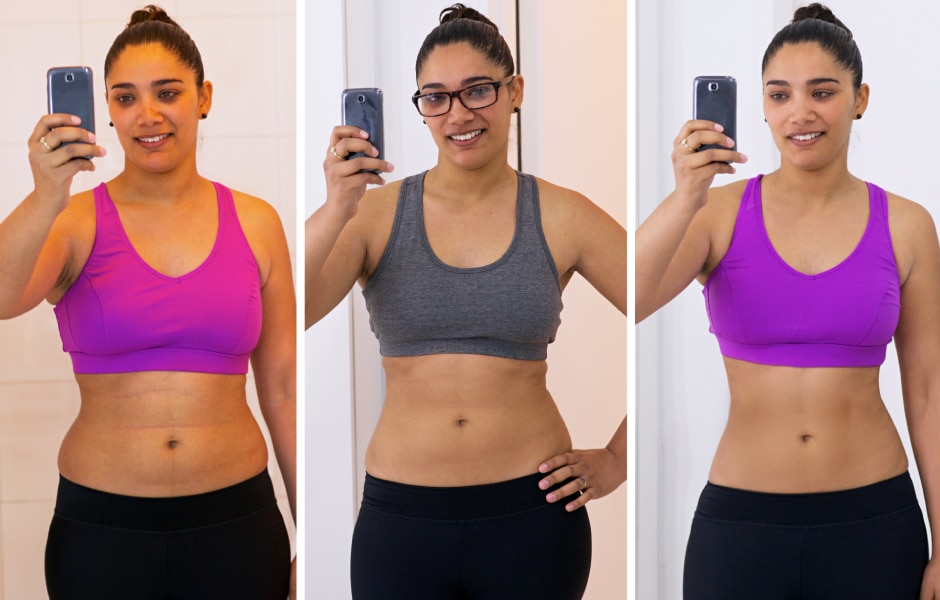
A sustainable weight-loss plan isn’t based on a single diet, workout, injection, or number on the scale. Eating patterns, physical activity, sleep, stress, medications, health conditions, genetics, hormones, age, and a person’s environment all influence weight. The best starting point is a realistic plan built around the individual, not a temporary set of restrictions.
For adults in Orange County, sustainable weight management may involve nutrition changes, gradual increases in movement, behavioral support, medical evaluation, and prescription treatment when appropriate. Soboba Medical Weight Loss provides physician-supervised care through locations in Laguna Hills, Newport Beach, and Rancho Santa Margarita. This guide explains how to build a practical plan, recognize barriers, evaluate treatment options, and prepare for long-term maintenance.
What Makes A Weight Loss Plan Sustainable?
A sustainable plan combines a nutritious eating pattern, regular physical activity, adequate sleep, stress management, and habits that can continue beyond the initial weight-loss phase. It should be flexible enough to accommodate work, family responsibilities, travel, social events, and normal setbacks.
Obesity is a chronic health condition, not a simple failure of willpower. Healthcare professionals may have several treatment options to discuss with eligible patients, including FDA-approved medications for long-term weight management. These medications do not replace healthy eating or physical activity, and they are not appropriate for everyone. Medical screening, medication selection, side-effect monitoring, and follow-up care remain essential.
Another important change is the growing focus on maintenance. Losing weight is only one phase of care. A responsible program should also help patients preserve healthy routines, respond to plateaus, protect overall nutrition, and prepare for the possibility of weight regain.
What Is The Best First Step For Healthy Weight Loss?
Start by understanding your health, habits, and reasons for wanting to lose weight. A self-directed plan may be reasonable for some adults, but a medical evaluation is important if you have a chronic health condition, take medications that may affect weight, have experienced repeated weight regain, plan to follow a highly restrictive diet, or are considering prescription weight-loss treatment.
A qualified provider may review your medical history, current medications, weight history, eating patterns, activity level, sleep, stress, and previous attempts. The evaluation may help identify barriers such as persistent hunger, medication-related weight changes, mobility limitations, sleep problems, or health concerns that require additional attention.
Patients who want to prepare for an appointment can review what happens during a first medical weight-loss visit.
How Should You Set A Realistic Weight-Loss Goal?
Set goals that describe both the result you want and the actions you can control. A goal such as losing a certain number of pounds describes an outcome. A goal such as walking four days per week, bringing lunch from home, or attending scheduled follow-up visits describes an action. Action goals are especially useful because they provide something specific to repeat even when the scale changes slowly.
The Centers for Disease Control and Prevention states that people who lose weight at a gradual, steady pace—about one to two pounds per week—are more likely to keep it off than people who lose weight more quickly. This is general guidance, not a guaranteed or appropriate target for everyone. Your pace may differ based on your starting weight, health, treatment plan, and provider’s recommendations.
Measure progress in more than one way. Depending on your goals, useful signs may include changes in waist measurement, energy, sleep, mobility, endurance, strength, eating patterns, or health measurements reviewed by a clinician.
What Should A Healthy Eating Plan Include?
A healthy eating plan should reduce overall calorie intake while still providing adequate nutrition and satisfying meals. The plan should also fit your schedule, food preferences, culture, cooking ability, budget, and medical needs.
Rather than labeling foods as completely good or bad, focus on the overall eating pattern. Meals may include vegetables, fruit, whole grains, beans, seafood, poultry, eggs, other protein sources, dairy or fortified alternatives, and suitable portions of unsaturated fats. Added sugars, heavily processed snack foods, and high-calorie beverages may need to be limited, but an effective plan should not require perfection.
Useful strategies may include:
- Building meals around protein and fiber-rich foods
- Planning meals before busy workdays or long Orange County commutes
- Keeping convenient, nutritious foods available at home and work
- Using smaller portions of calorie-dense foods instead of banning them
- Eating slowly and paying attention to hunger and fullness
- Recording meals temporarily to identify patterns and portions
People with diabetes, kidney disease, digestive conditions, food allergies, pregnancy, or a history of disordered eating may need individualized nutrition guidance. A generic online meal plan should not replace professional advice for these situations.
Does Drinking More Water Cause Weight Loss?
Water supports normal body functions and is a practical substitute for sugar-sweetened beverages, but drinking water does not directly melt fat. Replacing soda, sweetened coffee drinks, juice beverages, or frequent alcoholic drinks with water may reduce calorie intake. Hydration needs vary with body size, activity, weather, medications, pregnancy, and medical conditions.
The most useful message is simple: stay appropriately hydrated and pay attention to the calories in beverages. People who have been given fluid restrictions or take medications that affect fluid balance should follow their healthcare professional’s guidance.
How Much Exercise Supports Weight Management?
Physical activity can support weight management while also benefiting cardiovascular health, strength, mobility, mood, and sleep. Current federal guidelines recommend that most adults work toward 150 to 300 minutes of moderate-intensity aerobic activity per week, along with muscle-strengthening activity on at least two days per week. Any amount of activity can help, and inactive people can start with shorter sessions.
Moderate-intensity options may include brisk walking, cycling, swimming, dancing, or an appropriate fitness class. Strength work may involve resistance bands, machines, free weights, or body-weight movements. The right activity depends on current ability, joint health, cardiovascular risk, mobility, and personal preference.
High-intensity interval training is not required for weight loss and is not appropriate for everyone. Choose an activity suitable for your current fitness level and increase it gradually. Adults with pain, chronic conditions, recent surgery, dizziness, shortness of breath, or concerns about exercise safety should seek professional advice before starting an intense program.
Daily movement also matters. Walking during breaks, taking stairs when safe, standing during phone calls, gardening, or running active errands can reduce sedentary time. Consistency matters more than choosing the hardest possible workout.
Why Is Strength Training Important During Weight Loss?
Weight loss can include changes in both fat mass and lean tissue. Appropriate strength training, adequate nutrition, and sufficient protein may help support muscle retention while losing weight. Maintaining strength is also important for mobility, balance, physical function, and the ability to remain active.
A strength program does not need to begin with heavy weights. A qualified professional can help you start at an appropriate level and learn safe technique. If you are using a prescription weight-loss medication and eating substantially less, discuss nutrition, protein intake, strength training, and any symptoms of weakness with your medical provider.
How Do Sleep And Stress Affect Weight?
Sleep and stress can influence appetite, energy, food choices, and the ability to follow a plan. Poor sleep may leave a person too tired to prepare meals or exercise. Stress may contribute to grazing, emotional eating, skipped meals, alcohol use, or overeating later in the day.
Include these factors in your weight-management plan rather than treating them as unrelated problems. Helpful steps may include keeping a consistent sleep schedule, reducing screen use before bed, planning a relaxing evening routine, taking brief activity breaks, or seeking counseling when needed.
Persistent insomnia, loud snoring, breathing interruptions during sleep, severe anxiety, depression, or binge-eating symptoms should be discussed with a qualified professional. These concerns deserve evaluation, not simply more dietary restriction.
Should You Track Calories And Body Weight?
Tracking can provide useful information, but it should support decision-making rather than create shame. A food record may reveal large portions, calorie-containing drinks, unplanned snacks, or differences between weekday and weekend habits. Regular weight measurements may help identify a trend, although daily fluid shifts can temporarily move the scale.
Not everyone needs to count every calorie. Alternatives include taking meal photos, using a simplified food checklist, planning consistent meals, tracking activity, or recording hunger and fullness. Choose a method you can use honestly and safely. People with a history of eating disorders or distress related to tracking should ask a healthcare professional for an appropriate approach.
When Should You Consider Prescription Weight-Loss Treatment?
Prescription treatment may be considered when a healthcare professional determines that the potential benefits outweigh the risks. Eligibility often depends on body mass index, weight-related health conditions, medical history, current medications, pregnancy plans, contraindications, and previous treatment efforts.
The National Institute of Diabetes and Digestive and Kidney Diseases explains that weight-management medications work best when combined with lifestyle and behavior changes. Current FDA-approved long-term options include several medication types, including products containing semaglutide or tirzepatide for eligible patients. Brand names and approved uses matter. For example, some products are approved for chronic weight management, while related products containing the same active ingredient may be approved for type 2 diabetes.
Available treatment formats include both injectable and oral formulations for certain approved uses, including FDA-approved Wegovy tablets for eligible adults. This does not mean every medication or format is suitable or available for every patient. A provider should explain the exact product, FDA-approved indication, dosing, risks, side effects, medication source, follow-up schedule, and long-term plan.
Patients should also understand the difference between FDA-approved and compounded drugs. The FDA warns that compounded GLP-1 products are not FDA-approved and are not reviewed by the agency for safety, effectiveness, or quality before marketing. Compounded medication may serve a medical need in limited circumstances, but the source and clinical rationale should be discussed carefully with a licensed provider.
Orange County patients can review Soboba’s general information about GLP-1 weight-loss options before scheduling an individual evaluation.
What Should You Do When Weight Loss Slows Down?
A weight-loss plateau is common and doesn’t automatically mean the plan has stopped working. Your energy needs may change as your body weight decreases. Fluid balance, sodium intake, digestion, menstrual cycles, stress, sleep, and activity can also affect short-term scale readings.
Review your routine before making a drastic change. Check whether portions have gradually increased, activity has decreased, liquid calories have returned, or weekends differ considerably from weekdays. If you are receiving medical treatment, your provider can also assess side effects, adherence, body measurements, medication response, and whether an adjustment is appropriate.
Avoid responding to a plateau with severe restriction, unapproved supplements, excessive exercise, or an unprescribed dose change. Small, evidence-based adjustments are generally easier to sustain.
How Do You Keep Weight Off?
Plan weight maintenance from the beginning. The habits that support weight loss usually need to continue in some form after reaching a target. A maintenance plan may include a flexible weight range, regular activity, consistent meal structure, periodic self-monitoring, and follow-up appointments.
If your plan includes medication, ask the prescribing clinician how long treatment may be needed and what could happen if it is reduced or discontinued. Do not stop or change prescription treatment without guidance. Some people regain weight after stopping medication, which makes a long-term plan especially important.
Respond early if old habits return or weight begins trending upward. A short course correction is usually easier than waiting until the change becomes larger. Maintenance is not a separate test of willpower. It is an ongoing phase of weight management.
Begin A Medical Weight-Loss Plan In Orange County
Healthy weight loss starts with accurate information, realistic expectations, and a plan suited to your health and lifestyle. Current care may combine nutrition, physical activity, sleep and stress support, behavioral strategies, monitoring, and prescription treatment when medically appropriate.
Soboba Medical Weight Loss provides physician-supervised weight-management services at clinics in Laguna Hills, Newport Beach, and Rancho Santa Margarita. Contact Soboba Medical Weight Loss to schedule a consultation and discuss your health history, goals, previous attempts, and available treatment options.
Medical Disclaimer: This article is provided for general educational purposes only. It is not a diagnosis, individualized treatment recommendation, or substitute for care from a qualified healthcare professional. Eligibility, risks, results, and treatment recommendations vary from person to person.
Frequently Asked Questions About Sustainable Weight Loss
1. What Is A Healthy Rate Of Weight Loss?
The CDC identifies about one to two pounds per week as a gradual pace that is more likely to support maintenance. The appropriate rate can differ based on your health, starting weight, calorie needs, and treatment plan.
2. Can You Lose Weight Without High-Intensity Exercise?
Yes. High-intensity exercise is not required. Brisk walking, moderate cycling, swimming, strength training, and increased daily movement can support weight management when combined with an appropriate eating plan.
3. Do You Need To Eliminate Carbohydrates?
No. Some people choose a lower-carbohydrate pattern, but they don’t need to eliminate carbohydrates. Whole grains, beans, fruit, and vegetables can contribute fiber and nutrients to a balanced plan.
4. Does Drinking Water Speed Up Metabolism?
Water is essential for health, but claims that it dramatically increases metabolism are often overstated. Its clearest weight-management benefit may come from replacing beverages that contain added sugar, alcohol, or substantial calories.
5. How Much Exercise Should Adults Get Each Week?
Federal guidance recommends that most adults work toward 150 to 300 minutes of moderate aerobic activity per week and muscle-strengthening activity on at least two days. Your starting point should reflect your health and ability.
6. Why Am I Not Losing Weight Even Though I Am Eating Less?
Possible reasons include portion estimates, calorie-containing drinks, reduced activity, sleep or stress problems, medication effects, a medical condition, or normal fluid changes. A medical evaluation can help identify factors that require attention.
7. Are Weight-Loss Medications Suitable For Everyone?
No. Prescription medications have eligibility criteria, contraindications, side effects, and potential interactions. A licensed provider should determine whether treatment is appropriate after reviewing your health and medications.
8. What Is The Difference Between A GLP-1 Injection And A Weight-Loss Pill?
The delivery method, active ingredient, dosing, approved uses, side effects, and eligibility may differ. A pill is not automatically safer or more appropriate than an injection. Patients should discuss the exact FDA-approved product with a medical provider.
9. How Can You Avoid Regaining Weight?
Continue the eating, activity, monitoring, and follow-up habits that supported the original loss. Use a maintenance range, respond to changes early, and follow medical guidance if prescription treatment is adjusted.
10. Where Does Soboba Offer Medical Weight Loss In Orange County?
Soboba Medical Weight Loss has clinics in Laguna Hills, Newport Beach, and Rancho Santa Margarita, serving patients across Orange County. Contact the clinic to find the most convenient location.