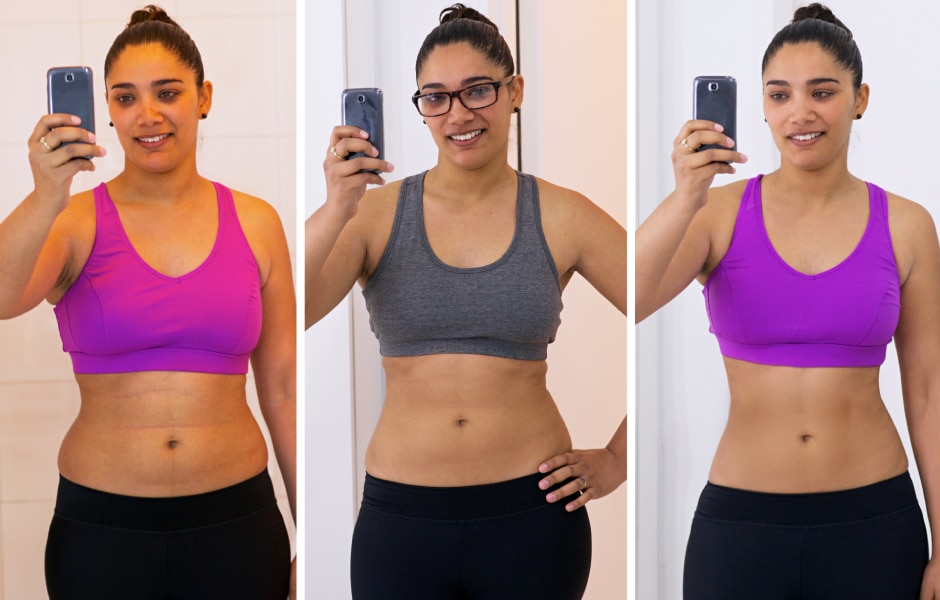
If you want to lose 150 pounds safely, the best starting point isn’t a crash diet or punishing workout. It is a long-term plan built around medical evaluation, sustainable nutrition, gradually increasing activity, behavior change, and regular follow-up. A goal this significant may be achievable for some people, but the right target, pace, and treatment will depend on your current weight, health conditions, medications, mobility, and personal history.
For adults in Orange County, physician-supervised care can replace guesswork with a plan that evolves as your body does. Soboba Medical Weight Loss provides individualized weight-management support at clinics in Laguna Hills, Newport Beach, and Rancho Santa Margarita. The goal is not simply to make the scale move. It is to improve health while protecting nutrition, strength, energy, and the ability to maintain the result.
Can You Lose 150 Pounds Safely?
It may be possible, but no responsible provider can decide that from a number alone. A 150-pound loss could be appropriate for one person and excessive for another. Height, body composition, age, medical history, and the health effects of your current weight all matter. Your first target should therefore come from a clinical assessment, not a celebrity transformation or an online calculator.
The Centers for Disease Control and Prevention states that people who lose weight gradually, about one to two pounds per week, are more likely to keep it off than people who lose weight faster. Using that rate for simple arithmetic, 150 pounds would equal roughly 75 to 150 weeks. That is not a forecast. Weight loss is rarely linear, and plateaus, illness, travel, medication changes, and maintenance phases can extend the process. Some people may lose faster at certain stages under medical supervision, while others need a slower pace.
A distant finish line can feel overwhelming. Work in phases and ask, “What can improve over the next twelve weeks?” The CDC notes that even modest loss may improve blood pressure, cholesterol, and blood sugar.
Why Should a 150-Pound Goal Begin With a Medical Evaluation?
A substantial weight-loss goal deserves more than generic advice. A clinician can assess whether your proposed goal is reasonable and identify issues that may affect the plan. These may include diabetes, high blood pressure, sleep apnea, thyroid disease, joint pain, liver or kidney concerns, gallbladder history, eating disorders, pregnancy plans, or medications that affect appetite and weight.
Your starting evaluation may include a health and weight history, medication and supplement review, blood pressure, body measurements, and laboratory testing when clinically appropriate. Be honest about previous diets, periods of regain, binge eating, emotional eating, alcohol use, sleep, pain, and physical limitations. These details are not failures. They help a provider build a safer plan.

Bring a list of everything you take, including prescriptions, over-the-counter products, vitamins, and herbal supplements. As weight and eating patterns change, medication doses for conditions such as diabetes or high blood pressure may need adjustment. Never reduce or stop a prescription on your own. If you would like to prepare, read what to expect at your first medical weight-loss visit.
How Should You Break 150 Pounds Into Manageable Milestones?
Keep the long-term goal, but manage the next milestone. The National Institute of Diabetes and Digestive and Kidney Diseases recommends that successful programs use realistic goals and notes that an initial target of 5% to 10% of starting weight within six months is common. Your clinician may recommend a different target based on your circumstances.
Use three types of goals at the same time:
- Health goals such as improving blood pressure, blood sugar, sleep, endurance, or joint comfort
- Behavior goals such as planning weekday lunches, walking ten minutes after dinner, or recording meals
- Weight milestones selected with your provider instead of treating 150 pounds as one all-or-nothing test
What Should You Eat to Lose 150 Pounds Without Crash Dieting?
Weight loss generally requires taking in less energy than your body uses, but the size and structure of that reduction should be personalized. An aggressive plan that leaves you dizzy, constantly exhausted, preoccupied with food, or unable to function is not a badge of discipline. Do not attempt very-low-calorie diets without qualified medical supervision.
A practical meal pattern emphasizes foods that provide nutrition and satisfaction for their calories. Depending on your medical needs and preferences, meals may include lean protein, vegetables, fruit, beans or other high-fiber carbohydrates, whole grains, and appropriate portions of healthy fats. Protein can help make meals satisfying and support lean tissue, while fiber-rich foods add volume and support digestive health. Your personal protein, carbohydrate, sodium, and fluid needs may differ if you have kidney disease, diabetes, heart disease, gastrointestinal conditions, or take certain medications.
Instead of labeling foods as perfect or forbidden, build repeatable meals. Choose a protein source, add vegetables or fruit, include a measured high-fiber carbohydrate when appropriate, and use fats and sauces intentionally. Restaurant food can fit, but plan portions and beverages before ordering. A sustainable plan needs room for culture, family meals, budget, and enjoyment.
How Can You Make Nutrition Consistent in Real Life?
Consistency becomes easier when your environment supports the plan. Choose two breakfasts, two lunches, and several dinners you enjoy and can repeat. Keep convenient protein and produce available. Portion snacks rather than eating from a large container. If evenings are difficult, examine whether you are under-eating earlier, arriving home overly hungry, or using food to decompress.
Track food to learn, not to punish. A short record can reveal missed meals, extras, or portion patterns. If detailed tracking increases anxiety or obsessive behavior, tell your provider and ask about another method.
How Should You Exercise at a Higher Starting Weight?
Start with what your joints, heart, lungs, and current fitness can safely handle. If you’re inactive or in pain, five to ten minutes of walking, chair-based movement, pool exercise, or a stationary cycle may be a meaningful start. Increase duration or frequency gradually. Stop and seek medical guidance if you have chest pain, faintness, unusual shortness of breath, or other concerning symptoms.
Federal physical activity guidance recommends that adults work toward 150 to 300 minutes of moderate-intensity aerobic activity per week and muscle-strengthening activity at least two days a week. It also emphasizes that inactive adults should start small and build up over time. You don’t need to start at the full target, and activity has health benefits even when it doesn’t produce a dramatic change on the scale.
Strength work matters during a long weight-loss effort because the aim is to lose excess body fat while supporting muscle and function. A beginner plan might use resistance bands, machines, light weights, or body-weight movements adapted by a qualified professional. Recovery is part of training. More is not always better, especially when pain changes your walking pattern or keeps you inactive for days afterward.
Do Sleep and Stress Affect a Large Weight-Loss Goal?
Yes. Healthy weight management includes sleep and stress management, not only food and exercise. Poor sleep can make planning, appetite management, and physical activity harder. Loud snoring, choking during sleep, morning headaches, or severe daytime sleepiness should prompt a conversation with a healthcare professional, as these can signal sleep apnea.
Stress can drive grazing, alcohol use, skipped workouts, or all-or-nothing thinking. Build a short list of non-food responses, such as calling someone or taking a brief walk. If binge eating, depression, anxiety, or trauma is affecting the process, mental-health support may be an important part of care.
Could Weight-Loss Medication Help?
Prescription weight-management medication may help some adults when combined with lifestyle changes, but it is not appropriate for everyone. NIDDK guidance on weight-management medications explains that clinicians consider BMI, health conditions, benefits, risks, other medicines, and cost.
GLP-1 and related medications may reduce hunger or help a person feel full sooner, but response varies. Side effects and contraindications vary by product, and sselect specific medication only after evaluation. These drugs should not be taken during pregnancy, and pregnancy plans should always be discussed with the prescriber. Patients should also know what symptoms require a call and how follow-up, dose changes, nutrition, and maintenance will be handled.
Soboba offers physician-supervised GLP-1 weight-loss options in Orange County for qualifying patients. An appointment is an evaluation, not a guarantee that a particular prescription will be recommended. Medication is one possible tool within a broader plan.
Should You Consider Bariatric Surgery?
When someone needs to lose a substantial amount of weight, metabolic or bariatric surgery deserves an informed discussion even if it is not ultimately chosen. NIDDK explains that surgery may be an option for some adults with a BMI of 40 or more, or a BMI of 35 or more with a serious obesity-related health problem. A qualified bariatric team should determine eligibility and recommendations using current criteria and a complete evaluation.
Surgery can produce meaningful weight loss and improve some obesity-related health conditions, but it also has risks and requires lifelong follow-up, nutrition habits, and sometimes supplements. It is not an easy way out, and medication is not automatically a substitute for it. A medical weight-loss clinician can help you understand when referral to a bariatric specialist may be appropriate.
What Should You Track Besides the Scale?
Use the scale as one data point. When appropriate, also track waist measurement, blood pressure or glucose, energy, sleep, walking tolerance, strength, clothing fit, and daily function.
Weigh under similar conditions and track trends rather than a single number. If weight is unchanged for several weeks, review the plan and medical factors with your care team. Patients using medication can also read Soboba’s guide to common mistakes that slow GLP-1 weight loss.
What Happens When Weight Loss Slows Down?
A plateau does not mean your body is broken. As body weight decreases, energy needs can change, and a plan that produced loss earlier may eventually maintain the new weight. Appetite, routines, and activity may also shift. Before cutting food drastically, review the trend with a qualified provider and determine whether the plan is being followed as intended.
The next step may be tightening portions, changing meal structure, increasing manageable activity, addressing sleep, reviewing medication, or holding a deliberate maintenance phase. Sometimes the healthiest move is to stabilize before pursuing the next milestone. Learning to maintain a partial loss is valuable practice for maintaining the final result.
How Do You Keep the Weight Off?
Maintenance begins on day one. Practice grocery shopping, dining out, holidays, stressful weeks, and travel while losing. Build routines that can survive imperfect conditions.
Continue monitoring after reaching a milestone. Set a small weight range with your provider and decide what action to take if your trend rises above it. That response might include resuming food records, scheduling follow-up, restoring meal structure, or revisiting treatment. It should not involve shame. Obesity is a chronic condition for many people, and long-term support may be appropriate.
Start Your Healthy 150-Pound Weight-Loss Plan in Orange County. Losing 150 pounds healthily isn’t one dramatic decision. It is a series of safe, repeatable decisions supported by a plan that can adapt. Begin with a medical evaluation, set a clinically appropriate first milestone, create satisfying meals, increase movement gradually, protect sleep and mental health, and review progress regularly. Medication or a bariatric referral may be appropriate for some people, but neither should be self-selected or treated as a shortcut.
Soboba Medical Weight Loss offers physician-supervised, individualized support in Laguna Hills, Newport Beach, and Rancho Santa Margarita. If you are ready to replace another short-lived diet with a structured health plan, contact Soboba Medical Weight Loss to schedule a consultation at a convenient Orange County location.
Medical Disclaimer: This article is for general educational purposes only. It does not diagnose a condition, establish that losing 150 pounds is appropriate for you, or replace individualized advice from a qualified healthcare professional. Results and timelines vary. Seek urgent medical care for severe or concerning symptoms.
Frequently Asked Questions
1. How long does it take to lose 150 pounds safely?
There is no universal timeline. At the CDC’s general pace of about one to two pounds per week, that’s roughly 75 to 150 weeks, but real progress isn’t linear and may take longer. Your provider may recommend a different pace based on your health, treatment, and response.
2. Can I lose 150 pounds without weight-loss surgery?
Some people may achieve substantial loss through structured lifestyle treatment, medication when appropriate, and long-term follow-up. Others may benefit from bariatric surgery. A clinician should compare these paths using your BMI, health conditions, previous attempts, preferences, and treatment risks.
3. What is a good first goal if I need to lose 150 pounds?
A common initial target is 5% to 10% of starting weight within about six months, but your personal goal may differ. Pair the weight target with behaviors you can control, such as planned meals, regular follow-up, and gradually increasing activity.
4. How many calories should I eat to lose 150 pounds?
No single calorie number is safe or effective for everyone. Needs vary with body size, age, activity, medical conditions, and medications. A healthcare professional can help set an appropriate energy reduction without relying on an extreme, nutritionally inadequate diet.
5. Can GLP-1 medication help me lose 150 pounds?
GLP-1 and related medications can help some qualifying patients lose weight, but they cannot promise a specific number. Results, tolerability, risks, and duration differ. A prescriber must determine whether medication is appropriate and monitor the broader nutrition and activity plan.
6. What exercise is safest when I have a lot of weight to lose?
Low-impact options such as short walks, pool activity, stationary cycling, or chair-based movement may be useful starting points. The safest choice depends on your mobility and health. Begin below your limit, progress gradually, and ask a clinician about pain or concerning symptoms.
7. How can I avoid loose skin after losing 150 pounds?
No food, supplement, cream, or exercise can guarantee you’ll prevent loose skin. Age, genetics, how long the skin was stretched, smoking, and the amount of loss may matter. Strength training can support muscle and function, while a specialist can discuss skin concerns after weight stabilizes.
8. Is it normal to hit plateaus during a large weight loss?
Yes. Energy needs and routines change as weight decreases, and short-term fluid shifts can hide fat loss. Review several weeks of data with your provider before making major changes. A plateau is a signal to assess the plan, not proof that you have failed.
9. How often should I weigh myself?
Many structured programs use a consistent weekly weigh-in, although some patients and clinicians prefer a different schedule. Use the same scale under similar conditions and focus on the trend. If weighing worsens anxiety or disordered eating, discuss another monitoring method.
10. Where can I get medical weight-loss help in Orange County?
Soboba Medical Weight Loss provides physician-supervised services at clinics in Laguna Hills, Newport Beach, and Rancho Santa Margarita. A consultation can help determine whether your goal is appropriate and what combination of nutrition, activity, behavioral support, and medical treatment may fit.