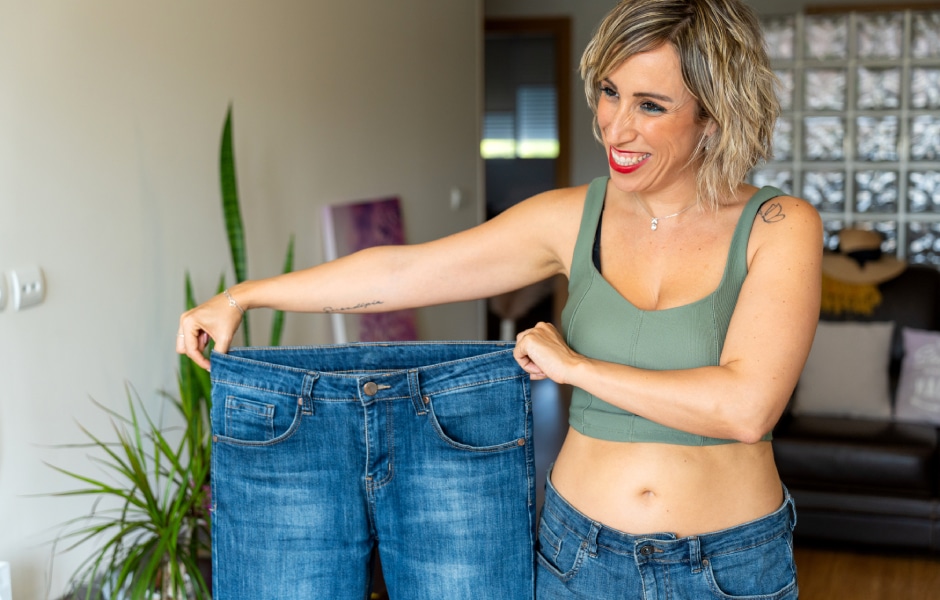
GLP-1 weight loss has become one of the most talked-about health topics of 2026. Patients are searching for answers about Ozempic, Wegovy, Mounjaro, Zepbound, semaglutide, tirzepatide, oral GLP-1 pills, and medically supervised weight loss programs. However, one of the most important questions is not only which medication may be appropriate. It is also what a patient should eat while using GLP-1 medication for weight loss.
A GLP-1 weight loss plan is not just about taking an injection or pill and waiting for results. These medications are generally used with reduced-calorie eating and increased physical activity. The FDA prescribing information for Wegovy tablets and Zepbound states that these medications are intended for use in combination with diet and physical activity for chronic weight management.
This matters because GLP-1 medications can reduce appetite, slow digestion, and help patients feel full sooner. When a person eats less, food quality becomes even more important. Every meal should help support energy, muscle preservation, digestion, hydration, and long-term weight maintenance.
Quick Answer
The best foods to eat on GLP-1 for weight loss include lean protein, high-fiber vegetables, fruits, beans, lentils, whole grains, Greek yogurt, eggs, fish, chicken, tofu, healthy fats, and plenty of water. Patients should usually avoid greasy foods, fried foods, oversized meals, sugary snacks, sweet drinks, heavy alcohol use, and ultra-processed foods because these may worsen nausea, bloating, reflux, or poor nutrition.
A good GLP-1 diet should focus on smaller, nutrient-dense meals that provide enough protein, fiber, vitamins, minerals, and fluids. Memorial Healthcare System’s 2026 GLP-1 nutrition guidance recommends protein, fiber, hydration, smaller meals, less processed food, and continued activity when using weight-loss medications.
Why Diet Matters When Taking GLP-1 Medication
Many patients begin GLP-1 treatment because they have struggled with hunger, cravings, portion control, or repeated weight regain. This is common. Weight loss is affected by more than willpower. Appetite hormones, insulin response, stress, sleep, medication history, health conditions, and long-term eating habits can all play a role.
Obesity is also a major national health issue. CDC data show that adult obesity prevalence in the United States was 40.3% during August 2021 through August 2023, and severe obesity was 9.4%. This is one reason medically supervised weight loss has become more important.
GLP-1 medications may help patients eat less, but eating less does not automatically mean eating well. A person can still lose weight while missing protein, fiber, fluids, and essential nutrients. That can lead to fatigue, constipation, muscle loss, low energy, poor eating habits, and difficulty maintaining results after the first phase of weight loss.
The goal should be fat loss, not just scale loss. That means a strong GLP-1 diet should help the body preserve lean muscle, support digestion, reduce side effects, and create healthier habits that can continue after weight loss.
Eat Protein First At Each Meal
Protein is one of the most important nutrients for patients taking GLP-1 medications. Since appetite may be lower, patients may feel full before they have eaten enough. Eating protein first helps ensure the most important part of the meal isn’t skipped.

Good protein options include eggs, Greek yogurt, cottage cheese, grilled chicken, turkey, lean beef, fish, shrimp, tofu, tempeh, beans, lentils, protein shakes, and low-sugar protein smoothies. For patients who cannot tolerate large meals, smaller protein portions throughout the day may be easier than eating a large serving at once.
Protein supports fullness and helps preserve lean muscle during weight loss. This is especially important for people who are losing weight quickly or eating much smaller portions. A patient who loses weight but also loses too much muscle may feel weaker, have a slower metabolism, and find it harder to maintain results.
A simple approach is to include protein at breakfast, lunch, and dinner. For example, breakfast could be eggs with vegetables or Greek yogurt with berries. Lunch could be chicken with salad or tuna with whole-grain crackers. Dinner could be salmon with vegetables or turkey with beans and avocado.
Add Fiber For Fullness And Digestion
Fiber is another key component of a GLP-1 weight-loss diet. Many patients taking GLP-1 medications experience constipation, slower digestion, or changes in bowel habits. Fiber can help support regular digestion, but it should be increased gradually.
Good fiber-rich foods include berries, apples, pears, leafy greens, broccoli, cauliflower, carrots, beans, lentils, chickpeas, oats, quinoa, chia seeds, flaxseeds, and avocado. Cleveland Clinic’s GLP-1 diet guidance recommends nutrient-dense foods such as fruits, vegetables, lean proteins, beans, tofu, oats, quinoa, and other whole grains.
Patients should not suddenly increase their fiber intake. That can cause gas, bloating, or stomach discomfort. The better strategy is to increase fiber slowly and drink enough water throughout the day. A small serving of berries, a few tablespoons of beans, or a vegetable side dish can be a good starting point.
Fiber is helpful because it supports fullness. It also improves the quality of the diet. Many high-fiber foods contain vitamins, minerals, antioxidants, and plant compounds that support overall health.
Drink Enough Water Throughout The Day
Hydration is very important during GLP-1 weight loss. When patients eat less, they may also drink less without realizing it. Some patients may experience mild nausea, constipation, or fatigue, and dehydration can worsen those symptoms.
Water should be the main drink. Unsweetened tea, sparkling water without added sugar, and broth may also be useful for some patients. Sugary drinks, sweet coffee drinks, soda, and juice can add calories without creating lasting fullness.
Some patients find it helpful to drink small amounts of water throughout the day rather than drinking a large amount at once. This is especially helpful if the medication causes fullness or nausea. Hydration should be treated like part of the treatment plan, not an afterthought.
Choose Smaller Meals Instead Of Large Plates
Large meals can be uncomfortable for some patients taking GLP-1 medications because digestion may be slower, and fullness may come sooner. Smaller meals are often easier to tolerate.
Instead of three large meals, some patients may do better with smaller meals or small, balanced snacks. For example, a patient may eat Greek yogurt in the morning, a small salad with chicken at lunch, a protein snack in the afternoon, and a smaller dinner with fish and vegetables.
The goal is not to under-eat. The goal is to eat in a way that supports the body without causing discomfort. Meals should be smaller, slower, and more intentional. Patients should chew well, eat slowly, and stop when comfortably full.
Best Foods To Eat On GLP-1
The best foods for GLP-1 weight loss are nutrient-dense, easy to digest, and supportive of long-term health. A strong GLP-1 plate usually includes protein, fiber, vegetables, and a small portion of healthy fat or smart carbohydrates.
Good choices include grilled chicken, turkey, eggs, salmon, tuna, shrimp, lean beef, tofu, tempeh, cottage cheese, Greek yogurt, lentils, beans, leafy greens, roasted vegetables, berries, apples, avocado, oats, quinoa, brown rice, sweet potatoes, nuts, and seeds.
Patients do not need a perfect diet. They need a consistent one. A simple meal such as eggs with spinach, Greek yogurt with berries, chicken with vegetables, or salmon with quinoa can be more effective than an extreme plan that is difficult to maintain.
Foods To Avoid Or Limit On GLP-1
Some foods may make side effects worse or reduce diet quality. Fried foods, greasy foods, heavy cream sauces, large portions of red meat, fast food, chips, pastries, candy, sugary drinks, and highly processed snacks may be harder to tolerate.
These foods can also slow weight loss because they are calorie-dense and easy to overeat. A patient may eat less overall while on GLP-1 medication, but if most of the calories come from low-nutrient foods, the diet may still be poor.
Alcohol should also be limited or discussed with a medical provider. Alcohol can add calories, affect blood sugar, increase appetite for some people, worsen reflux, and interfere with healthy decision-making. Patients with diabetes, liver concerns, or medication interactions should be especially careful.
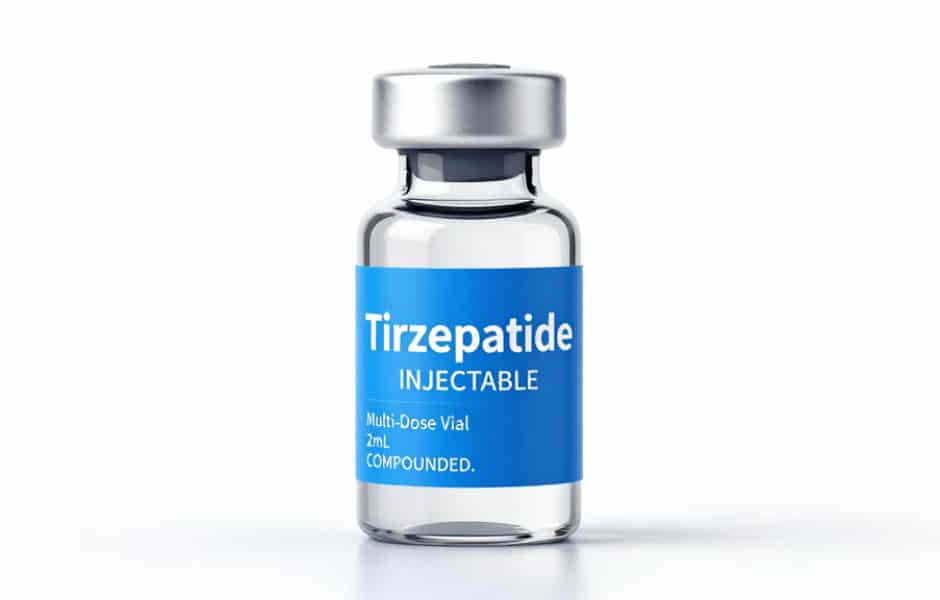
Another important issue is the presence of unsafe GLP-1 products. The FDA has warned consumers about unapproved drugs containing semaglutide, tirzepatide, or retatrutide, including products sold directly to consumers and falsely labeled for research purposes or not for human consumption. Patients should use prescription weight-loss medications only under proper medical supervision.
A Simple GLP-1 Meal Plan Example
A simple GLP-1-friendly day could begin with Greek yogurt, berries, and chia seeds. This gives the patient protein, fiber, and nutrients without being too heavy. Another option is two eggs with spinach and a small side of fruit.
Lunch could be grilled chicken over a salad with avocado, cucumber, tomatoes, and a light dressing. A patient who prefers something warm could choose turkey chili with beans or a small bowl of lentil soup with a side of vegetables.
Dinner could include salmon, roasted vegetables, and a small serving of quinoa or sweet potato. A lighter dinner could be tofu with vegetables or shrimp with zucchini noodles.
Snacks should be used only if needed. Good options include cottage cheese, a boiled egg, a small protein smoothie, a handful of nuts, edamame, or apple slices with peanut butter.
Common Mistakes Patients Make On GLP-1
One common mistake is eating too little protein. Patients may feel full quickly and skip protein, but this can increase the risk of muscle loss. Another mistake is not drinking enough water, which can worsen constipation and fatigue.
A third mistake is relying on processed “diet foods.” Low-calorie packaged foods are not always nutritious. A better approach is to choose simple whole foods that provide protein, fiber, and real nutrients.
Another mistake is expecting medication to replace lifestyle change. GLP-1 medications can be powerful tools, but they work best as part of a broader plan that includes better eating, regular movement, enough sleep, and medical follow-up.
When To Talk To A Medical Weight Loss Provider
Patients should speak with a medical provider before starting GLP-1 medication and during treatment. This is especially important for patients with diabetes, thyroid history, pancreatitis history, gallbladder issues, kidney concerns, severe digestive symptoms, pregnancy plans, or multiple medications.
Patients should also contact a provider if they experience severe nausea, vomiting, dehydration, persistent abdominal pain, severe constipation, or symptoms that interfere with eating or drinking. A medical provider may adjust the treatment plan, dosage schedule, nutrition strategy, or supportive care.
FAQs About Eating On GLP-1
What Should I Eat First On GLP-1?
Protein is usually the best place to start. Eating protein first can help patients preserve muscle, feel satisfied, and ensure they get adequate nutrition before they become too full.
Can I Eat Carbs On GLP-1?
Yes. The best carbohydrates are usually high-fiber, nutrient-dense options such as oats, beans, lentils, fruit, quinoa, brown rice, and sweet potatoes. Sugary drinks, candy, pastries, and refined snack foods should be limited.
Why Do Greasy Foods Make Me Feel Sick On GLP-1?
Some patients feel worse after greasy or heavy meals because GLP-1 medications can slow digestion and increase fullness. Fried foods and high-fat meals may worsen nausea, bloating, or reflux for some patients.
How Much Water Should I Drink On GLP-1?
Hydration needs vary by person, but patients should drink water consistently throughout the day. If constipation, nausea, or fatigue develop, hydration should be reviewed with a medical provider.
Can I Take GLP-1 Without Changing My Diet?
GLP-1 medications are generally intended to be used with diet and physical activity for weight management. Better nutrition can improve results, reduce side effects, and support long-term maintenance.
Conclusion
GLP-1 weight loss in 2026 is not just about taking Ozempic, Wegovy, Mounjaro, Zepbound, Semaglutide, Tirzepatide, or another medication. It is about using medical weight loss tools correctly while building better eating habits. The best GLP-1 diet includes lean protein, fiber-rich foods, vegetables, fruit, whole grains, healthy fats, and enough water. It also limits greasy foods, oversized meals, sugary drinks, alcohol, and ultra-processed snacks.

For patients in Orange County seeking guidance, Soboba Weight Loss offers medical weight-loss support for those interested in GLP-1 options, including semaglutide, tirzepatide, Ozempic, Mounjaro, Wegovy, vitamin injections, and customized weight-loss programs. With locations serving Newport Beach, Laguna Hills, and Rancho Santa Margarita, Soboba Weight Loss can help patients understand their options and create a supervised plan for safer, more sustainable weight loss.