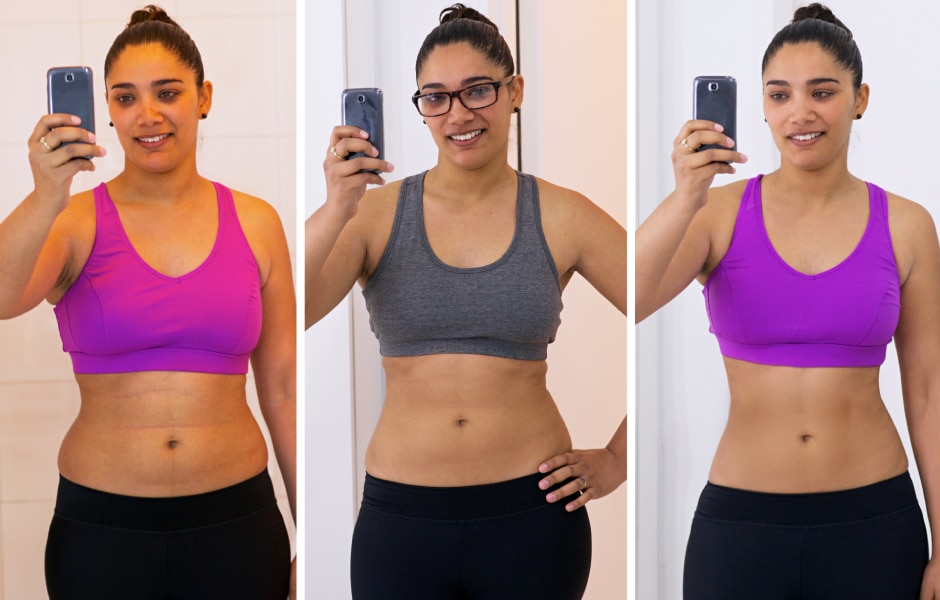
GLP-1 and related weight-management medications can help qualified patients manage appetite, reduce food intake, and lose weight as part of a medically supervised program. However, patients increasingly ask an important question: How can they lose body fat without losing more muscle than necessary?
Consider muscle preservation from the start of a medical weight loss program, not after a patient has already lost substantial weight. Eating adequate protein, performing appropriate resistance exercises, managing medication side effects, and monitoring more than the number on the scale may help support healthier body composition during weight loss.
Can GLP-1 Weight Loss Affect Muscle Mass?
Any meaningful weight loss can include reductions in both fat mass and lean mass. This is not unique to GLP-1 medication. When the body receives fewer calories, it may use stored fat for energy, but changes in muscle, water, connective tissue, and other components of lean mass can also occur.
GLP-1 medications can reduce appetite significantly. Some patients begin eating much less without realizing that their intake of protein and other essential nutrients has also declined. If rapid weight loss is combined with insufficient nutrition and little muscle-strengthening activity, the possibility of losing lean tissue may increase.
Research on semaglutide, tirzepatide, and other weight-management medications shows that fat mass generally accounts for most of the weight lost. However, lean mass may also decrease, and the amount varies among patients and studies. Researchers continue to examine whether changes in measured lean mass reflect actual skeletal muscle loss, changes in water, or other tissues.
The goal is not to avoid weight loss because lean mass might change. The goal is to improve the quality of weight loss by emphasizing fat reduction while supporting strength, physical function, and adequate nutrition.
What Is the Difference Between Muscle Mass and Lean Mass?
Muscle mass and lean mass are related, but they are not identical. Skeletal muscle is the tissue that helps you move, lift, balance, and perform daily activities. Lean mass is a broader measurement that includes muscle, water, organs, connective tissue, and other nonfat parts of the body.
When a body-composition scan reports a reduction in lean mass, that does not necessarily mean the entire change represents lost muscle. Hydration, recent food intake, the measurement method, and other variables can affect the result.
This distinction is important because alarming headlines sometimes describe every pound of lean mass as muscle loss. Medical providers should consider body-composition measurements together with strength, mobility, energy, nutrition, and overall health rather than relying on one number.
Why Is Preserving Muscle During Weight Loss Important?
Muscle supports more than physical appearance. It helps with strength, balance, mobility, glucose use, and the ability to complete everyday activities. Preserving muscle can be especially important for older adults, people who begin treatment with limited strength, and patients losing a substantial amount of weight.
Muscle also helps patients remain physically active. When strength is maintained, it may be easier to walk, exercise, climb stairs, carry groceries, and continue the activities that support long-term weight management.
The scale alone cannot show whether weight loss is improving body composition. Two patients may lose the same number of pounds while experiencing different changes in fat, muscle, strength, and physical function. A medically supervised program should therefore look beyond total weight.
How Can Protein Help Preserve Muscle?
Protein provides amino acids that the body uses to maintain and repair muscle. When appetite decreases, protein-rich foods may be among the first foods unintentionally removed from a patient’s diet. Some patients eat smaller meals but do not adjust those meals to provide adequate nutrition.
Protein sources may include:
- Chicken or turkey
- Fish and seafood
- Eggs
- Greek yogurt or cottage cheese
- Lean meat
- Beans and lentils
- Tofu, tempeh, or edamame
- Protein drinks recommended by a healthcare professional
Rather than trying to consume a large amount at one meal, some patients find it easier to include a source of protein throughout the day. For example, protein may be included at breakfast, lunch, dinner, and an appropriate snack.
There is no single protein target that is right for every GLP-1 patient. The appropriate amount may depend on body size, age, activity level, health conditions, kidney function, and the overall weight loss plan. Patients should ask their medical provider or a qualified nutrition professional to recommend an individualized target.
More protein is not automatically better. Excessive intake may be inappropriate for some patients, particularly those with certain kidney or medical conditions. The goal is adequate, balanced nutrition rather than an extremely high-protein diet.
Why Is Resistance Training Important?
Muscles respond to use. Resistance training gives the body a reason to maintain strength and muscle tissue while weight is decreasing. A recent systematic review found that adding resistance exercise to dietary weight loss can help preserve fat-free mass, improve strength, and support greater fat loss compared with dieting alone.
Resistance training does not necessarily require heavy bodybuilding exercises or an expensive gym membership. Depending on a patient’s health and fitness level, it may include:
- Chair squats or sit-to-stand exercises
- Resistance-band exercises
- Wall or modified push-ups
- Light dumbbells
- Body-weight exercises
- Weight machines
- Supervised strength training
Federal physical activity guidelines generally recommend muscle-strengthening activities involving the major muscle groups on at least two days each week. However, patients who are inactive, have joint problems, experience balance difficulties, or have cardiovascular or other medical conditions should discuss exercise with a healthcare professional before beginning.
Starting gradually is often more sustainable than beginning with an exhausting routine. Proper technique is also important. A trainer, physical therapist, or other qualified professional may help patients learn how to exercise safely when additional support is needed.
Is Walking Enough to Preserve Muscle?
Walking is valuable for cardiovascular health, mobility, stress management, and daily energy expenditure. It may also be one of the most accessible ways to become more active. However, walking does not challenge every major muscle group in the same way as resistance training.
A balanced routine may combine walking or other aerobic activity with muscle-strengthening exercises. Swimming, cycling, dancing, hiking, and other enjoyable activities may also support overall fitness when appropriate.
Patients do not need to complete all recommended activity at once. Shorter sessions can be distributed throughout the week. The right starting point depends on current fitness, physical limitations, and medical guidance.
Can Losing Weight Too Quickly Affect Muscle?
Rapid weight loss may make it more difficult to consume enough protein, vitamins, minerals, and total nutrition. It can also make progressive exercise challenging if the patient experiences weakness, fatigue, nausea, or dehydration.
The appropriate rate of weight loss varies. A faster change on the scale is not automatically a better result, particularly if the patient feels weak, cannot eat adequately, or has difficulty completing everyday activities.
Patients should not change their medication dosage or dramatically increase calorie restriction to make the scale move faster. Prescription doses should be adjusted only under the direction of the treating provider.
A medically supervised program can assess whether weight loss is progressing appropriately and whether changes to medication, nutrition, hydration, or activity are needed.
How Can GLP-1 Side Effects Affect Nutrition?
GLP-1 medications may cause nausea, vomiting, constipation, diarrhea, stomach discomfort, or reduced interest in food. These effects can make it harder for some patients to meet their nutritional needs.
Patients experiencing gastrointestinal symptoms may begin skipping meals or eating only crackers, toast, or other foods that feel easy to tolerate. Although temporary adjustments may be understandable, consistently eating a limited diet can reduce protein and micronutrient intake.
Patients should tell their provider if side effects interfere with eating, drinking, exercising, working, or completing daily activities. The provider may need to review the medication dosage, the rate of dose increases, meal size, food choices, hydration, or the overall treatment plan.
Do not assume that severe symptoms are a normal sign that the medication is working. Persistent vomiting, an inability to keep fluids down, severe abdominal pain, signs of dehydration, fainting, or other concerning symptoms require prompt medical attention.
For additional nutrition guidance, read what to eat while taking GLP-1 medication.
Which Foods Support Nutrition During GLP-1 Treatment?
A muscle-conscious eating plan should include more than protein. Vegetables, fruit, whole grains, beans, healthy fats, and other nutrient-dense foods provide fiber, vitamins, minerals, and energy.
When appetite is limited, the nutritional value of each meal becomes more important. A balanced meal may include a protein source, vegetables or fruit, a fiber-rich carbohydrate, and an appropriate amount of healthy fat.
Patients should also pay attention to hydration. Reduced food intake, vomiting, or diarrhea may increase the risk of dehydration. Water needs vary based on body size, activity, weather, medical conditions, and other factors, so patients with fluid restrictions or health concerns should follow their provider’s instructions.
Highly restrictive diets should not be combined with prescription weight-management medication without professional guidance. The treatment plan should provide enough nutrition to support health and daily function while still promoting appropriate progress.
Should You Use Protein Powders or Supplements?
Protein powders can be convenient, especially when appetite is low or preparing a full meal is difficult. However, they are not required for every patient, and they should not replace all whole-food meals.
Patients should check the protein, sugar, calorie, and ingredient content rather than assuming every shake is appropriate for weight loss. People with kidney disease, food allergies, digestive conditions, or other medical concerns should ask a provider before adding concentrated protein supplements.
Be cautious with products marketed as muscle-preserving, fat-burning, metabolism-boosting, or specifically designed for GLP-1 patients. Supplements do not receive the same premarket review as FDA-approved prescription medications, and promotional claims may exceed the available evidence.
Creatine and other sports-nutrition products are frequently discussed online. Whether a supplement is appropriate depends on the individual’s health, medications, diet, and exercise program. Discuss these products with a qualified provider rather than adding them solely because an influencer recommends them.
How Should Progress Be Measured Beyond the Scale?
Body weight is useful, but it provides only one part of the picture. Patients and providers may also consider waist measurements, clothing fit, physical stamina, strength, mobility, laboratory results, appetite patterns, and the ability to perform everyday tasks.
Simple functional indicators may include whether you can:
- Rise from a chair more easily
- Carry groceries without unusual fatigue
- Walk farther or climb stairs more comfortably
- Complete additional exercise repetitions
- Use gradually greater resistance with proper form
- Maintain balance and independence
Some clinics, gyms, and home scales offer body-composition measurements. These tools may be helpful for monitoring trends, but their readings can change with hydration, food intake, exercise, and device quality. Results should be interpreted cautiously and consistently rather than treated as exact measurements.
Who Should Pay Special Attention to Muscle Preservation?
Muscle preservation is relevant for anyone losing weight, but it may deserve additional attention for older adults and people who already have low strength, limited mobility, a history of repeated weight loss and regain, or a sedentary lifestyle.
Patients losing a large amount of weight may also benefit from structured nutrition and exercise planning early in treatment. Waiting until weakness or substantial lean-mass changes appear can make the problem more difficult to address.
People recovering from surgery, living with chronic medical conditions, or taking medications that affect strength or appetite should receive individualized advice. Exercise and nutrition recommendations should account for the entire medical picture rather than the weight loss medication alone.
Which Warning Signs Should You Discuss With Your Provider?
Contact your medical provider if you experience persistent weakness, dizziness, fainting, severe fatigue, repeated vomiting, difficulty maintaining food or fluid intake, or a noticeable decline in your ability to complete normal activities.
You should also discuss rapid or unexpected weight changes. The provider may need to evaluate hydration, nutrition, medication tolerance, dosage, or another medical issue.
Do not stop or change prescription medication without speaking with the treating provider. If symptoms are severe or appear to be an emergency, seek immediate medical attention.
How Can Medical Supervision Improve Weight-Loss Quality?
A medical weight loss program should focus on more than producing a lower number on the scale. The provider should consider how the patient feels, functions, eats, exercises, and responds to treatment.
Medical supervision can help patients:
- Determine whether GLP-1 treatment is appropriate
- Understand medication benefits and risks
- Manage gastrointestinal side effects
- Set realistic weight and health goals
- Develop an individualized nutrition plan
- Add physical activity safely
- Monitor strength and functional changes
- Adjust treatment when necessary
- Prepare for long-term weight maintenance
Reviewing common GLP-1 weight loss mistakes can also help patients understand why medication works best as one part of a comprehensive plan.
Protecting Muscle During Medical Weight Loss in Orange County
GLP-1 treatment should not be viewed as a choice between losing weight and maintaining strength. With an individualized plan, patients may be able to improve body composition while supporting muscle, mobility, and nutrition.
The process should begin with realistic expectations. Patients need adequate nutrition, appropriate resistance exercise, manageable weight loss, side-effect monitoring, and regular communication with their healthcare provider. The most successful result is not simply faster weight loss. It is progress that supports health, strength, and long-term function.
Soboba Medical Weight Loss provides physician-supervised GLP-1 weight loss programs in Orange County. Patients can discuss medication options, nutrition, physical activity, side effects, and personalized weight-management goals at locations in Laguna Hills, Newport Beach, and Rancho Santa Margarita.
To schedule a consultation, call (949) 362-4560 or visit the Soboba Medical Weight Loss contact page.
Frequently Asked Questions
1. Do GLP-1 medications directly cause muscle loss?
Researchers have not concluded that GLP-1 medications directly damage muscle. Significant weight loss from medication, calorie restriction, or other methods can include some lean-mass reduction. Individual nutrition, activity, age, health, and rate of weight loss may influence these changes.
2. Is all lean-mass loss the same as muscle loss?
No. Lean mass includes muscle, water, organs, connective tissue, and other nonfat tissues. A change in measured lean mass does not necessarily represent an equal amount of skeletal muscle loss.
3. How much protein should I eat while using a GLP-1 medication?
Protein needs vary based on body size, age, activity, kidney function, medical history, and weight loss goals. Ask your medical provider or a qualified nutrition professional for a personalized recommendation.
4. Is walking enough exercise while taking GLP-1 medication?
Walking supports cardiovascular health and daily activity, but it may not provide the same muscle-preserving stimulus as resistance training. Many patients benefit from combining aerobic activity with appropriate muscle-strengthening exercises.
5. How often should I perform strength training?
Federal guidelines generally recommend muscle-strengthening activities on at least two days per week. Your appropriate schedule and intensity may differ based on your health, fitness level, physical limitations, and medical recommendations.
6. Can I build muscle while losing weight?
Some people may improve strength or build muscle during weight loss, particularly if they are new to resistance training. Results vary, and maintaining existing muscle and strength can also be a valuable outcome.
7. Should I drink protein shakes while taking GLP-1 medication?
Protein shakes may be helpful for some patients who have difficulty meeting their nutritional needs, but they are not necessary for everyone. Review the ingredients and discuss supplements with your provider, especially if you have kidney or digestive concerns.
8. Does losing weight quickly increase the risk of muscle loss?
Rapid weight loss may make it harder to maintain adequate nutrition and exercise. The appropriate rate varies, so patients should follow a medically supervised plan instead of changing medication doses or severely restricting calories independently.
9. How can I tell whether I am losing muscle?
Possible signs may include declining strength, unusual weakness, difficulty completing everyday tasks, or changes in body-composition measurements. These signs can have many causes, so discuss them with a healthcare provider rather than diagnosing the problem yourself.
10. Where can I find physician-supervised GLP-1 weight loss in Orange County?
Soboba Medical Weight Loss provides physician-supervised weight-management services at locations in Laguna Hills, Newport Beach, and Rancho Santa Margarita. Treatment eligibility and recommendations are determined through an individual medical evaluation.