Choosing the best medical weight-loss clinic in Orange County requires more than comparing prices or seeking the fastest results. A reputable clinic should provide qualified medical supervision, an individualized evaluation, appropriate treatment options, transparent information about medications, realistic expectations, ongoing monitoring, nutritional guidance, and a plan for maintaining progress.
The right clinic should also make you feel comfortable asking questions. You should understand who will supervise your treatment, how your medical history affects your options, what the program includes, how often you will be monitored, and what will happen if you experience side effects or stop making progress.
Medical weight loss is not simply a prescription, injection, supplement, or temporary diet. A well-designed program considers your health history, medications, eating habits, physical activity, sleep, previous weight-loss attempts, goals, and possible barriers to long-term success.
The National Institute of Diabetes and Digestive and Kidney Diseases recommends choosing a program that includes a sustainable eating plan, appropriate physical activity, guidance for adopting healthier habits, regular progress monitoring, continued support, and a plan for maintaining weight loss.
What Is a Medical Weight Loss Clinic?
A medical weight loss clinic is a healthcare setting where qualified medical professionals evaluate and manage a patient’s weight-loss program.
Unlike a general commercial diet, medical weight loss may include an assessment of the patient’s health history, current medications, previous weight changes, body mass index, weight-related health risks, nutritional habits, physical activity, and treatment goals.
Depending on the patient’s needs and medical eligibility, a program may include:
- Personalized nutrition recommendations
- Physical activity guidance
- Behavioral and lifestyle support
- Prescription weight-management medication
- GLP-1 or related treatment options
- Vitamin or nutrient injections when medically appropriate
- Regular weight and health monitoring
- Strategies for maintaining results
Not every patient needs the same treatment. The purpose of an initial consultation should be to identify the medically appropriate approach, not to place every patient in the same program automatically.
What Should You Look for in a Medical Weight Loss Clinic?
The best medical weight loss clinic for you should offer safe, individualized, and medically appropriate care. Before enrolling in a program, evaluate the following factors.
1. Confirm That Qualified Medical Professionals Supervise the Program
Medical supervision is one of the most important differences between a medical weight loss clinic and a general diet program.
Ask who evaluates patients, who prescribes medications, and who monitors treatment. A qualified healthcare professional should review your medical history and determine whether a proposed treatment is appropriate for you.
Patients in California can use the Medical Board of California’s online license-verification system to review the license status and available public profile information for physicians and certain other healthcare providers.
You should also understand how accessible the medical provider will be after treatment begins. Ask whether you will have opportunities to discuss side effects, dosage adjustments, medication interactions, changes in your health, or concerns about your progress.
A clinic should not treat medical supervision as a one-time formality. It should remain part of the program throughout your treatment.
2. Look for a Complete Initial Evaluation
A reputable Orange County medical weight-loss clinic should assess your health before recommending a program.
An initial evaluation may include a review of:
- Your current weight and weight history
- Previous weight-loss attempts
- Existing medical conditions
- Prescription medications and supplements
- Eating and drinking habits
- Physical activity
- Sleep patterns
- Family health history
- Weight-related health concerns
- Personal goals and expectations
Certain health conditions and medications may contribute to weight gain or affect which treatments are appropriate. A careful evaluation helps the provider identify potential risks and develop a plan based on your individual circumstances.
Be cautious when a clinic recommends a medication or injection before obtaining meaningful medical information from you.
3. Choose a Personalized Program Instead of a One-Size-Fits-All Plan
Every patient starts from a different place. A program that works for one person may not fit someone with a different health history, schedule, medication list, or relationship with food.
A personalized medical weight loss program should consider your lifestyle, preferences, abilities, health needs, and previous experiences. It should also be realistic enough to follow beyond the first few weeks.
The NIDDK advises patients to look for evidence-based programs tailored to their health, preferences, values, and long-term needs.
Ask how the clinic will customize your treatment. A clinic should be able to explain why it recommends a particular approach and how that recommendation relates to your individual evaluation.
4. Ask About All Available Treatment Options
Some patients contact a clinic because they are specifically interested in GLP-1 injections, semaglutide, tirzepatide, appetite-control medication, vitamin injections, or another treatment they have seen online.
However, interest in a particular medication does not automatically mean it is the safest or most appropriate choice.
A reputable clinic should explain the available options, possible benefits, limitations, side effects, costs, and alternatives. The provider should also tell you whether the treatment is intended for short-term or long-term use and what may happen if you stop it.
Medical weight loss may include lifestyle changes alone or lifestyle support combined with prescription medication. Federal health guidance recognizes that weight-management medications may help some patients when used alongside appropriate eating habits, physical activity, and continued medical care.
The clinic should help you compare options rather than pressure you into choosing the most expensive or heavily promoted treatment.
5. Request Clear Information About Medication Sources
Medication transparency has become especially important as demand for semaglutide, tirzepatide, and other GLP-1-related treatments has increased.
Ask the clinic:
- What medication is being prescribed?
- Is it an FDA-approved product or a compounded medication?
- Which pharmacy supplies it?
- How should it be stored?
- Who determines the dosage?
- How will the dosage be increased or adjusted?
- What instructions will you receive?
- Whom should you contact if you experience side effects?
The FDA has warned about fraudulent products, dosing errors, excessive dosing, counterfeit drugs, and adverse events involving some unapproved or compounded semaglutide and tirzepatide products. The agency advises patients to discuss dosing and administration directly with qualified healthcare providers.
Compounded medications are not the same as FDA-approved medications. Patients should receive an honest explanation of what is being offered, why it is being recommended, and how it will be monitored.
Avoid providers that refuse to identify the medication, manufacturer, compounding pharmacy, concentration, or dosage.
6. Make Sure the Clinic Provides Ongoing Monitoring
Medical weight loss should not end when a prescription is written, or an injection is administered.
Regular follow-up allows the clinic to evaluate:
- Weight changes
- Appetite and eating patterns
- Medication tolerance
- Side effects
- Dosage
- Physical activity
- Nutritional intake
- Changes in health
- Challenges affecting consistency
- Plans for maintaining results
The frequency and type of follow-up will depend on the program and the patient. However, you should know how often you will be seen and how to reach the clinic between appointments.
Successful weight-management programs commonly include regular feedback, progress tracking, behavioral support, and strategies for addressing setbacks.
A clinic that offers ongoing guidance may be better equipped to respond when a patient experiences side effects, reaches a plateau, struggles with nutrition, or needs a revised treatment plan.
7. Look Beyond Medication Alone
Prescription medication can be an important part of medical weight loss for eligible patients, but it should not be presented as the only part of the solution.
Ask whether the clinic provides practical guidance regarding:
- Protein and nutrient intake
- Portion awareness
- Hydration
- Meal planning
- Physical activity
- Strength training when appropriate
- Sleep
- Stress management
- Maintaining muscle during weight loss
- Long-term weight maintenance
A complete program should help patients develop habits that can support their health during and after treatment.
Patients should be cautious of claims suggesting that a pill, injection, or supplement will produce permanent weight loss without any attention to eating patterns, physical activity, or long-term behavior. The Federal Trade Commission identifies guaranteed, effortless, extremely rapid, and universal weight-loss promises as warning signs.
8. Avoid Guaranteed or Unrealistic Results
No responsible medical weight loss clinic can guarantee that every patient will lose a specific amount of weight within a fixed period.
Results can vary based on:
- Starting weight
- Medical history
- Treatment eligibility
- Medication response
- Nutrition
- Physical activity
- Sleep
- Stress
- Consistency
- Treatment duration
- Other medications and health conditions
Be cautious of advertising that promises dramatic weight loss without lifestyle changes or claims that one treatment works for everyone.
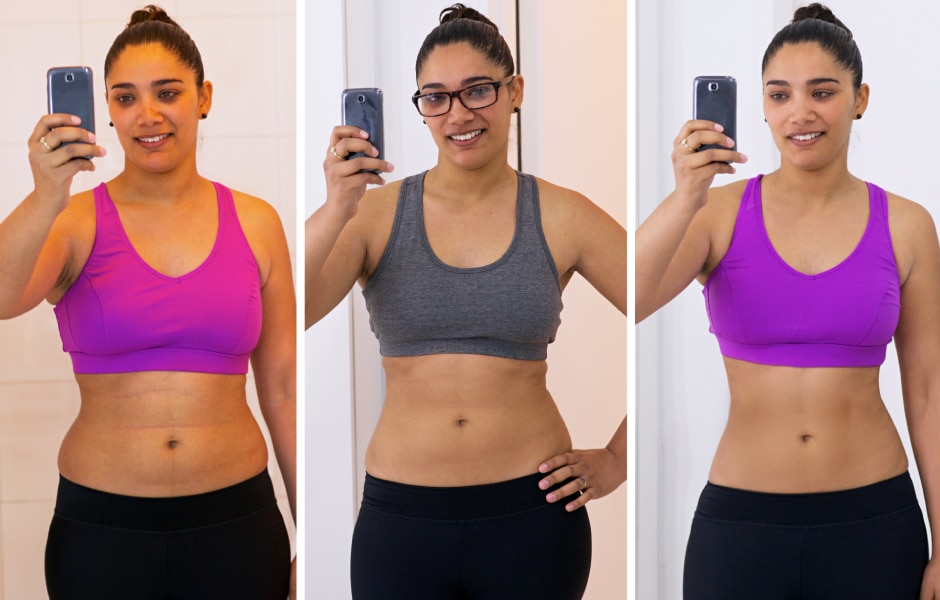
Before-and-after photographs and patient testimonials can help you understand individual experiences, but they don’t guarantee another patient will get the same result.
A trustworthy clinic should help you set reasonable goals, explain that plateaus may occur, and discuss how it will evaluate progress over time.
9. Understand the Full Cost Before Starting
Ask for a clear explanation of the program’s financial terms before enrolling.
Questions should include:
- What does the initial consultation cost?
- Are medical visits included?
- Is medication included?
- Are injections priced individually or monthly?
- Are laboratory tests required?
- Are nutrition consultations included?
- Are follow-up appointments included?
- Are there enrollment or start-up fees?
- Is a contract required?
- What happens if the dosage changes?
- Is there a cancellation policy?
- Will the clinic assist with insurance questions?
The lowest advertised price may not represent the total cost. A special may apply only to the first injection, first visit, starting dosage, or limited treatment period.
Compare the entire program, not just one promotional number. The most appropriate clinic is not necessarily the cheapest or most expensive. It is the clinic that clearly explains what you are receiving and provides appropriate medical care.
10. Consider Location and Appointment Convenience
Consistency becomes easier when the clinic is reasonably close to your home or workplace and offers appointments that fit your schedule.
Patients searching for medical weight loss in Orange County may prefer an in-person clinic where they can meet the team, ask questions, receive treatment, and return for regular monitoring.
Soboba Medical Weight Loss serves Orange County through three clinic locations:
Newport Beach
20072 SW Birch Street, Suite 220
Newport Beach, CA 92660
Phone 949-646-0251
The Newport Beach office may be convenient for patients in Newport Beach, Costa Mesa, Irvine, Corona del Mar, Newport Coast, Huntington Beach, and nearby coastal communities.
Laguna Hills
27001 Moulton Parkway, Suite A103
Laguna Hills, CA 92656
Phone 949-362-4560
The Laguna Hills office serves patients from Laguna Hills, Laguna Niguel, Laguna Woods, Lake Forest, Mission Viejo, Aliso Viejo, and surrounding South Orange County communities.
Rancho Santa Margarita
22521 Avenida Empresa, Suite 118
Rancho Santa Margarita, CA 92688
Phone 949-459-3952
The Rancho Santa Margarita office may be convenient for patients from Rancho Santa Margarita, Coto de Caza, Dove Canyon, Foothill Ranch, Ladera Ranch, Trabuco Canyon, and nearby areas. Soboba lists its addresses and phone numbers on its official contact page.
Should You Read Reviews Before Choosing a Clinic?
Patient reviews can provide insight into communication, appointment scheduling, staff support, cleanliness, wait times, pricing transparency, and the overall experience.
Read reviews across multiple platforms when possible. Look for recurring patterns rather than relying on one extremely positive or negative review.
Useful review topics include:
- Whether patients felt heard
- Whether the program was explained clearly
- Whether staff answered questions
- Whether pricing matched the original explanation
- Whether appointments were easy to schedule
- Whether follow-up care was available
- Whether the office felt professional and organized
Reviews should be one factor in your decision, not the only factor. Medical credentials, safety procedures, treatment transparency, and individualized care are more important than a perfect star rating.
What Questions Should You Ask During a Consultation?
A medical weight-loss consultation should provide enough information to make an informed decision.
Consider asking:
- Who will supervise my medical weight loss program?
- What evaluation will I receive before treatment?
- Which options may be appropriate for my health history?
- Why are you recommending this particular treatment?
- What side effects or risks should I be aware of?
- Is the medication FDA-approved or compounded?
- Which pharmacy or manufacturer supplies the medication?
- How often will I be monitored?
- What nutritional or lifestyle support is included?
- What is the complete cost?
- What happens if I experience side effects?
- What is the plan if I stop losing weight?
- How will you help me maintain my results?
- What happens if I decide to stop the medication?
- How can I contact the medical team between appointments?
A reputable clinic should answer these questions clearly and without pressuring you to enroll immediately.
Why Do Patients in Orange County Consider Soboba Medical Weight Loss?
Soboba Medical Weight Loss provides physician-supervised weight-management services through offices in Newport Beach, Laguna Hills, and Rancho Santa Margarita. Its website lists personalized programs and several treatment categories, including prescription weight-management options and supportive services for qualified patients. Treatment decisions should follow an individual medical evaluation, and results vary among patients.
Patients can schedule a consultation to discuss their goals, medical history, previous weight-loss attempts, and available treatment options.
The purpose of the consultation is not to guarantee a particular result. It helps determine whether medical weight loss is appropriate and which approach may suit the individual patient.
Frequently Asked Questions About Choosing a Medical Weight Loss Clinic
1. What makes a medical weight loss clinic different from a regular diet program?
A medical weight loss clinic provides oversight from qualified healthcare professionals and may consider your health history, medications, weight-related risks, and treatment eligibility. A commercial diet program usually provides general advice intended for a broader audience.
2. How do I find a reputable medical weight loss clinic in Orange County?
Look for licensed medical providers, individualized evaluations, transparent treatment information, ongoing monitoring, realistic claims, clear pricing, accessible follow-up, and positive patterns across patient reviews.
3. Should a weight loss clinic perform a medical evaluation?
Yes. The provider should learn about your medical history, medications, previous weight changes, current health concerns, and goals before recommending prescription treatment or a structured medical program.
4. How can I verify a weight loss doctor’s license in California?
You can search for physicians and certain other healthcare providers through the Medical Board of California’s online license-verification system. Review the provider’s name, license status, and available public profile information.
5. Should I choose a clinic based on the lowest price?
Price matters, but it shouldn’t be the only factor. Compare medical supervision, medication sources, follow-up care, nutrition support, included services, additional fees, and the total expected cost.
6. What should I ask about GLP-1 weight loss injections?
Ask which medication you are receiving, whether it is FDA-approved or compounded, who supplies it, how the dosage is determined, what side effects may occur, how it should be administered, and how the clinic will monitor you.
7. Are compounded weight loss injections FDA approved?
Compounded drugs are not FDA-approved. They do not undergo the same FDA premarket review for safety, quality, and effectiveness as approved medications. A provider should clearly explain when a compounded medication is being offered and why.
8. How often should a medical weight loss clinic monitor patients?
The schedule depends on the treatment, medication, health history, and individual response. Patients should receive regular opportunities to review results, side effects, dosage, nutrition, and treatment concerns with the clinic.
9. Can a medical weight loss clinic guarantee my results?
No. Results vary significantly among patients. Avoid clinics or advertisements that guarantee a particular amount of weight loss, permanent results, or rapid weight loss for everyone.
10. Where does Soboba Medical Weight Loss have Orange County locations?
Soboba Medical Weight Loss has offices in Newport Beach, Laguna Hills, and Rancho Santa Margarita. Patients can contact the location that is most convenient for their home, workplace, and follow-up schedule.
Schedule a Medical Weight Loss Consultation in Orange County
Choosing the best medical weight loss clinic in Orange County begins with asking the right questions.
Look for a clinic that offers medical supervision, an individualized evaluation, transparent medication information, realistic expectations, ongoing monitoring, nutritional support, clear pricing, and convenient access.
Soboba Medical Weight Loss serves patients throughout Orange County from its Newport Beach, Laguna Hills, and Rancho Santa Margarita offices. Contact the clinic nearest you to schedule a consultation and learn which medical weight-management options may be appropriate for your health history and goals.
Medical Disclaimer
This article is provided for general educational purposes and does not replace professional medical advice, diagnosis, or treatment. Medical weight-loss treatments and prescription medications are not appropriate for everyone. Treatment eligibility, risks, side effects, costs, and results vary. Consult a qualified healthcare professional before beginning a medical weight-loss program or changing any prescription medication.