

Affordable GLP-3 Injections in Orange County, CA
Best GLP-3 Injections: Retatrutide in Orange County at Soboba Medical Weight Loss Clinics
Advanced Medical Weight Loss Support For Patients Seeking A Smarter Approach
Losing weight is not always as simple as eating less and exercising more. Many patients struggle with appetite, cravings, insulin resistance, slow metabolism, hormonal changes, stress, poor sleep, and medical conditions that make weight loss more difficult. At Soboba Weight Loss Clinics, our goal is to help patients understand the latest options in medical weight loss and choose a safe, realistic, and medically supervised path toward better health.
One of the newest topics in weight management is GLP-3. Many patients have already heard about GLP-1 medications, such as semaglutide, and newer dual-action medications, such as tirzepatide. GLP-3 is a newer term often used to describe investigational triple-action medications that simultaneously target multiple metabolic pathways. These medications are being studied for their potential to support appetite control, blood sugar regulation, fat loss, and metabolic improvement.
It is important to understand that GLP-3 medications are not the same as the FDA-approved weight loss medications currently available to qualifying patients. At this time, retatrutide, one of the best-known triple hormone receptor agonists, is still investigational and has not been approved by any regulatory agency for routine patient use. Lilly describes retatrutide as an investigational once-weekly medication that activates receptors for GIP, GLP-1, and glucagon.

At Soboba Weight Loss Clinics, we help patients separate medical facts from online hype. Our team provides education, evaluation, and personalized weight loss planning so patients can make informed decisions about available and appropriate treatment options.
What Is GLP-3?
GLP-3 is not the formal name of one single FDA-approved medication. It is commonly used to describe a new generation of triple-action weight-loss medications that target three hormone pathways involved in appetite, metabolism, and blood sugar balance. The best-known investigational medication in this category is retatrutide, which is being studied as a triple hormone receptor agonist.
Traditional GLP-1 medications work mainly by activating the GLP-1 receptor. GLP-1 is a natural hormone that helps regulate blood sugar, slows stomach emptying, and signals fullness to the brain. This can help some patients feel satisfied with smaller portions and reduce cravings. Semaglutide is one of the best-known GLP-1 medications used for chronic weight management under the brand name Wegovy.
Dual-action medications, such as tirzepatide, target both GIP and GLP-1 pathways. The FDA approved tirzepatide under the brand name Zepbound for chronic weight management in adults with obesity, or adults who are overweight and have at least one weight-related condition, in addition to reduced-calorie eating and increased physical activity.
Triple-action medications go one step further by targeting GIP, GLP-1, and glucagon receptors. Early research suggests this approach may have powerful effects on body weight and metabolic health, but these treatments are still being evaluated in clinical trials. This means patients should be cautious about any company claiming to sell GLP-3 or retatrutide outside of approved clinical research settings.
Why Patients Are Interested In GLP-3
Patients are interested in GLP-3 because many people want a more complete solution for weight loss. Appetite control is important, but it is not the only factor involved in obesity. Weight gain and weight-loss resistance may involve insulin response, energy expenditure, fat storage, inflammation, sleep patterns, stress hormones, genetics, and lifestyle habits.
The appeal of triple-action therapy is that it may address multiple pathways simultaneously. For example, a medication that affects GLP-1 may help with appetite and fullness. A medication that also affects GIP may influence insulin and metabolic response. A medication that also affects glucagon may potentially influence energy expenditure and fat metabolism. However, these mechanisms are complex, and more research is needed before GLP-3 treatments become standard care.
At Soboba Weight Loss Clinics, we believe patients deserve accurate information. The promise of future medications is exciting, but safety, legality, and proper medical supervision come first. Patients should never buy products online that claim to be GLP-3, retatrutide, research peptides, or non-prescription injectable weight loss medications. The FDA has warned that some unapproved products may be falsely labeled, illegally marketed, or unsafe.
How Medical Weight Loss Works At Soboba Weight Loss Clinics
A successful medical weight loss program should begin with a complete evaluation. Before discussing any medication, our team focuses on understanding your health history, current weight, body composition, lifestyle, eating patterns, previous weight loss attempts, medications, lab markers, and risk factors. Weight loss treatment should never be one-size-fits-all.
Your evaluation may include a review of your body mass index, weight-related conditions, blood pressure, blood sugar history, cholesterol levels, thyroid concerns, sleep habits, appetite patterns, digestive symptoms, and family history. For some patients, medical weight loss may include nutrition guidance, exercise planning, behavior support, and FDA-approved prescription medication when clinically appropriate.

The National Institute of Diabetes and Digestive and Kidney Diseases lists several FDA-approved medications for chronic weight management, including orlistat, phentermine-topiramate, naltrexone-bupropion, liraglutide, semaglutide, and tirzepatide. These medications are not right for everyone, but they may be appropriate for qualifying patients when prescribed and monitored by a medical professional.
Soboba Weight Loss Clinics helps patients understand which options are currently available, which options are investigational, and which options may be unsafe or misleading.
GLP-3 Versus GLP-1 And Dual-Action Weight Loss Medications
The main difference between GLP-3, GLP-1, and dual-action therapies is the number of hormone pathways they target. GLP-1 medications primarily activate the GLP-1 receptor. Dual-action medications activate GLP-1 and GIP pathways. GLP-3-style medications, also called triple agonists, are being studied because they may activate GLP-1, GIP, and glucagon pathways.
This does not mean GLP-3 is automatically better for every patient. A stronger medication effect may also introduce new risks, side effects, or patient-selection concerns. Every patient has different needs. Some patients may do well with nutrition support and lifestyle changes alone. Others may benefit from an FDA-approved medication. Some may not be candidates for certain medications because of medical history, pregnancy, digestive conditions, medication interactions, or other risk factors.
The safest approach is to work with a clinic that understands both the benefits and limitations of medical weight loss treatment. Soboba Weight Loss Clinics provides practical guidance based on current medical options, not exaggerated online claims.
What Results Can Patients Expect From Medical Weight Loss?
Results vary from patient to patient. Weight loss depends on many factors, including the treatment plan, consistency, nutrition, movement, sleep, medical conditions, medication response, and follow-up care. Some patients lose weight steadily, while others need adjustments over time.
Medical weight loss is not only about the number on the scale. A strong program should also focus on energy, mobility, blood pressure, blood sugar, cholesterol, waist circumference, confidence, and long-term sustainability. For many patients, even modest weight loss can improve health markers and quality of life.
The purpose of medication, when appropriate, is not to replace healthy habits. It is to support the body while patients build better routines. Nutrition, protein intake, hydration, resistance training, sleep improvement, and regular monitoring remain important parts of long-term success.
At Soboba Weight Loss Clinics, we help patients create realistic plans. Extreme dieting, unsafe injections, online peptide products, and unmonitored medication use can put your health at risk. A supervised plan gives you structure, accountability, and medical oversight.
Who May Be A Candidate For Medical Weight Loss Treatment?
You may be a candidate for medical weight loss support if you have struggled to lose weight despite diet and exercise, have regained weight after previous attempts, have a high BMI, or have weight-related health concerns such as high blood pressure, high cholesterol, insulin resistance, prediabetes, type 2 diabetes, sleep apnea, joint pain, or fatty liver concerns.
A consultation is the best way to determine whether treatment is appropriate. Not every patient needs medication, and not every patient qualifies for every medication. The right plan depends on your medical history, goals, risk factors, and provider recommendations.
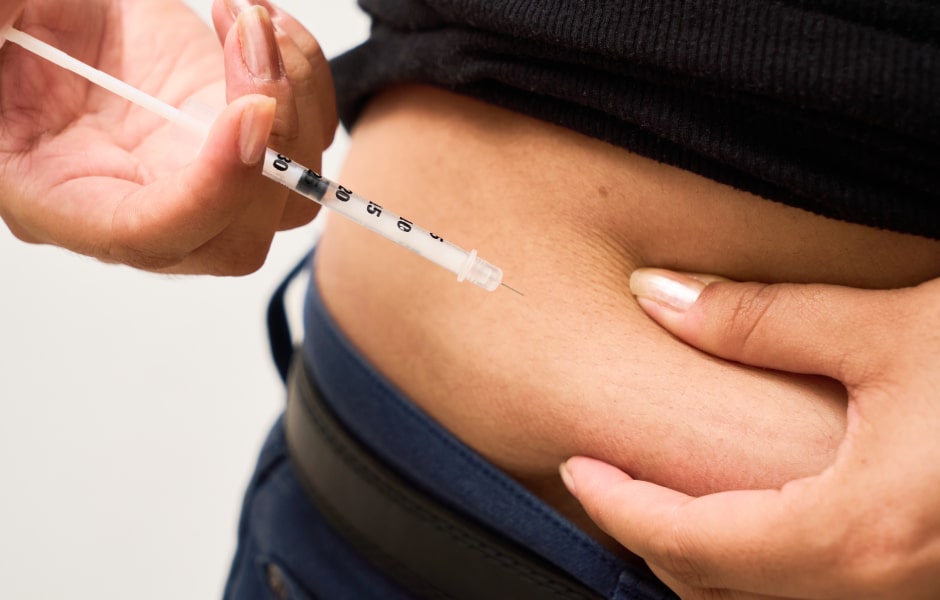
Patients who are pregnant, planning pregnancy, breastfeeding, or dealing with certain medical conditions may need a different approach. Patients with a history of pancreatitis, severe gastrointestinal disease, gallbladder problems, certain endocrine cancers, or complex medication regimens should be evaluated carefully before considering incretin-based therapies.
Soboba Weight Loss Clinics can help you understand your options and safely determine the next step.
Safety Comes First
The popularity of injectable weight loss medications has created a crowded and confusing marketplace. Some online companies, med spas, and sellers promote products that may not be FDA-approved, properly manufactured, or legally available. This is especially concerning with products advertised as retatrutide, GLP-3, research peptides, or compounded versions of popular medications.
FDA-approved medications undergo a regulatory review process to ensure safety, dosing, manufacturing, labeling, and effectiveness. Investigational medications are still being studied. Unapproved products may create risks because patients may not know what they are receiving, whether the dose is accurate, whether the product is sterile, or whether it is appropriate for their health condition.
Soboba Weight Loss Clinics emphasizes medical supervision, patient education, and responsible treatment planning. If a medication is appropriate, it should be prescribed through proper medical channels and monitored by qualified professionals.
Why Choose Soboba Weight Loss Clinics?
Soboba Weight Loss Clinics provides a patient-centered approach to weight loss. We understand that every patient comes in with a different story. Some have tried diets for years. Some feel discouraged by weight regain. Some are confused by online claims about GLP-1, GLP-3, semaglutide, tirzepatide, peptides, and hormone-based weight loss treatments.

Our role is to guide you with clarity. We help you understand what is currently available, what is still experimental, and what may be risky. We focus on practical, medically guided solutions that support long-term progress.
When you work with Soboba Weight Loss Clinics, you receive more than a prescription discussion. You receive a structured approach that may include health evaluation, goal setting, nutrition guidance, progress tracking, medication education, and ongoing support. We want patients to lose weight safely and maintain results in a way that improves overall health.
Start With A Consultation
GLP-3 is an exciting area of medical research, but patients should be careful about misinformation. At this time, GLP-3-style medications such as retatrutide are still investigational and not FDA-approved for routine weight loss treatment. However, there are medical weight loss options available today for qualifying patients, including FDA-approved medications and comprehensive lifestyle-based programs.
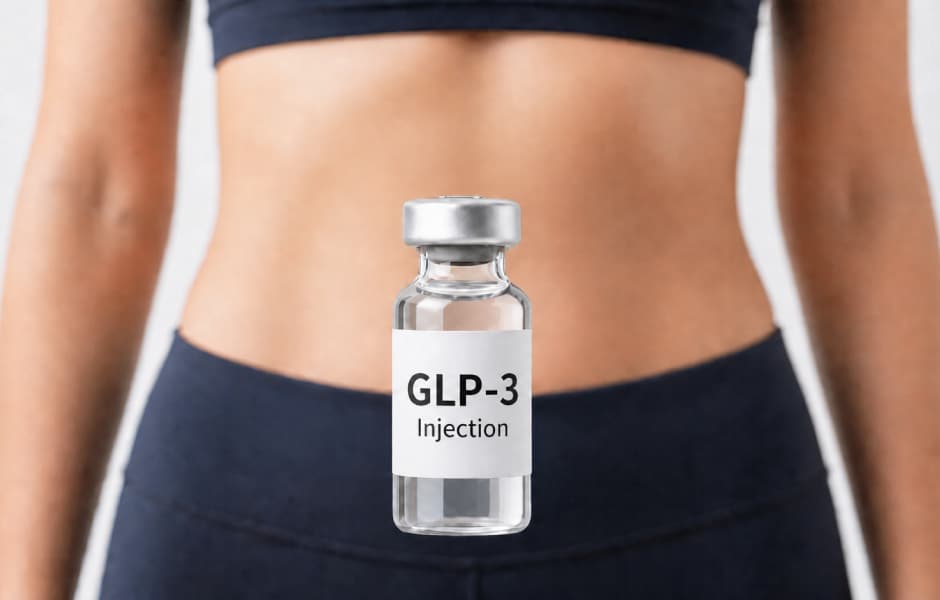
If you are interested in GLP-3, GLP-1, tirzepatide, semaglutide, or medical weight loss, the best first step is a professional consultation. Soboba Weight Loss Clinics can help you understand your current health, review your treatment options, and create a supervised plan that supports your goals.
Your weight loss journey should be safe, informed, and personalized. Contact Soboba Weight Loss Clinics today to schedule your consultation and learn which medical weight loss options may be right for you.
If you are looking for GLP-3 injections in Orange County, CA, SOBOBA Medical Weight Loss Clinics can help you take the next step in a structured and medically supervised way. Whether you are just beginning to explore GLP-3 treatment or ready to schedule a consultation, the goal should be more than just short-term weight loss. The goal should be safer progress, better support, and a plan you can actually maintain.
Disclaimer: Results may vary from person to person. This website does not provide medical advice.These statements have not been evaluated by the Food and Drug Administration. SOBOBA Medical Weight loss program is not intended to diagnose, treat, cure or prevent any disease.